
The five biggest changes coming with the F1 2026 regulations
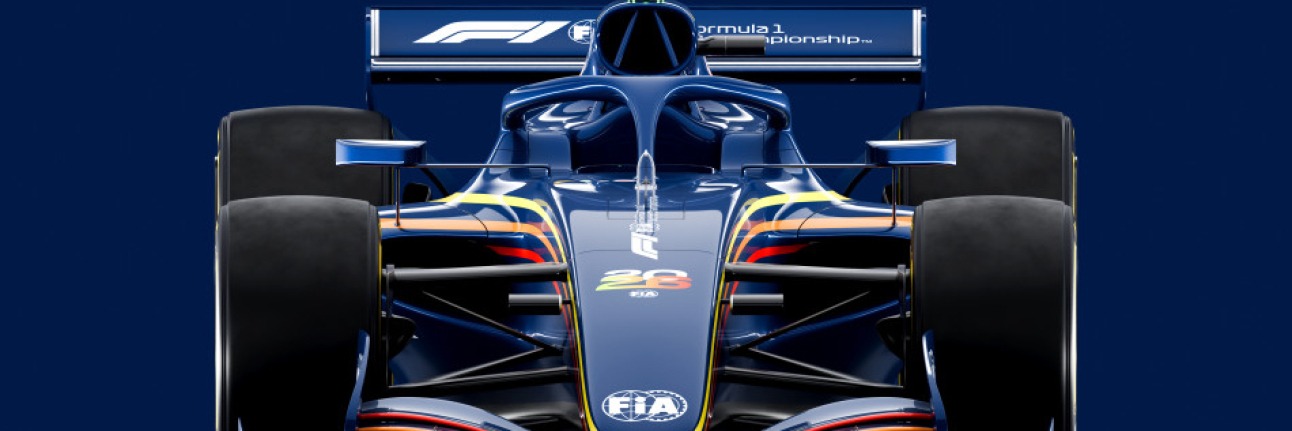
01 December 2025Formula 1 is bracing for its most radical transformation in decades, perhaps even the entire history of the sport. Come 2026, the grid will not just look different, it will race differently. The FIA’s sweeping set of F1 2026 regulations is designed to strip away some of the bloat of modern machines, creating a nimble car concept that prioritises agility.
This is a fundamental rethinking of what a Grand Prix car can be, from the death of DRS to the birth of active aerodynamics and a 50/50 power split.
1. The nimble car concept
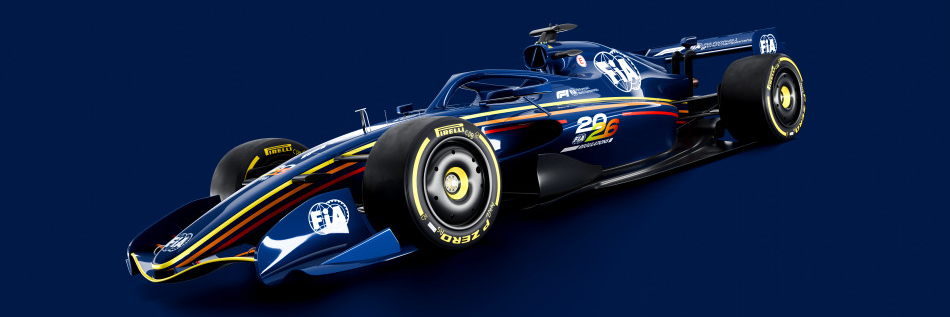
For years, drivers and fans alike have lamented the swelling silhouette of F1 cars. The 2026 F1 car specs have finally begun the reversal of this trend. The new blueprint calls for a machine that is smaller and lighter, designed to dance through corners rather than lumber through them.
2025 vs. 2026 F1 car specs
To understand the scale of these changes, here is a direct comparison between the current generation and 2026 cars.
Feature | 2025 Specs (Current) | 2026 Specs (New) | The Change |
|---|---|---|---|
Minimum Weight | 798 kg | 768 kg | -30 kg (Lighter) |
Max Wheelbase | 3600 mm | 3400 mm | -200 mm (Shorter) |
Max Width | 2000 mm | 1900 mm | -100 mm (Narrower) |
Front Tyre Width | 305 mm | 280 mm | -25 mm |
Rear Tyre Width | 405 mm | 375 mm | -30 mm |
Aerodynamics | High Downforce | Low Drag | -30% Downforce / -55% Drag |
2. A power unit revolution: The 50/50 split
The headline for the new F1 engine 2026 regulations is the massive electrification push. The sport is moving to an even split between the internal combustion engine (ICE) and electrical power.
- The ICE: The combustion engine power drops from ~550kW to 400kW.
- The electric surge: The electrical power skyrockets from 120kW to 350kW (nearly 300% more).
The complex and expensive MGU-H is gone. In its place is a more powerful MGU-K that nearly triples the electrical power, and the energy recovered under braking doubling to 8.5 MJ per lap.
3. The death of DRS and the rise of active aero
Perhaps the most controversial change is the elimination of the Drag Reduction System (DRS) as we know it. In its place, the F1 active aero system introduces a dynamic shape-shifting car that adapts to the track instantly.
- Z-Mode (Cornering): The default high-downforce setting. The front and rear wings keep grip high under cornering.
- X-Mode (Straight-line speed): A low-drag configuration, akin to DRS, where wing elements open up. Unlike DRS, this is not just for overtaking; drivers will use this on straights to maximise efficiency and speed, regardless of traffic.
READ MORE: An ode to DRS
Manual Override Mode
If X-Mode is for everyone, what system is in place to promote overtaking? Enter the Manual Override Mode.
- The mechanism: It replaces the drag-reducing effect of DRS with an electrical boost.
- The advantage: When a driver is one second behind the car ahead, they unlock extra energy deployment.
- The tactics: While the leading car's electrical power tapers off after 290kph, the chasing car can deploy 350kW of power up to 337kph.
4. 100% sustainable fuel
The Formula 1 sustainable fuel mandate requires 2026 power units to run on "drop-in" fuel created from non-food sources, municipal waste or atmospheric carbon capture.
This ensures that no new fossil carbon is released into the atmosphere. It is a critical step in F1's "Net Zero by 2030" mission and keeps the internal combustion engine relevant in an increasingly electric world.
5. Safety without compromise
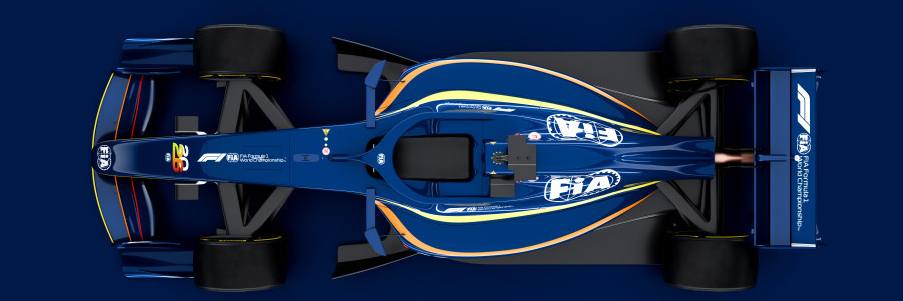
Despite the focus on weight saving, the FIA has also strengthened the safety cell. The 2026 F1 regulations introduce a rigorous new standard for driver protection:
- Roll hoop: Loads increased from 16G to 20G.
- Impact structure: A new two-stage nose design prevents the structure from snapping off entirely during impacts.
- Lateral lights: New safety lights will clearly signal the ERS (Energy Recovery System) status of a stopped car, ensuring marshals and drivers are safe near the car.
By balancing the racing spectacle with active aero and manual override with sustainable fuel and increased electrification, F1 is set to enter a bold new era with its 2026 regulations.