A question of spectacle: How will F1’s 2026 regulations affect racing?
30 January 2026Formula 1 has never been sentimental about its regulations. The nature of the sport is to evolve, to go faster, or as has been the case in recent decades, deliberately reduce downforce to improve racing.
The 2026 regulations are aiming to do that and more. Lighter cars. Less downforce. No DRS. An even split between combustion and electrical power. Active aerodynamics. Sustainable fuel. The changes are comprehensive. But what are the implications once the lights go out?
Spectacle in Formula 1 is a fragile thing. It lives somewhere between technical engineering and a human hunger for victory. Get the balance right and you have the 2022 British Grand Prix. Get it wrong and you have a beautifully efficient procession.
So, will F1’s 2026 regulations make the racing better, or simply different?
Smaller, lighter, more alive
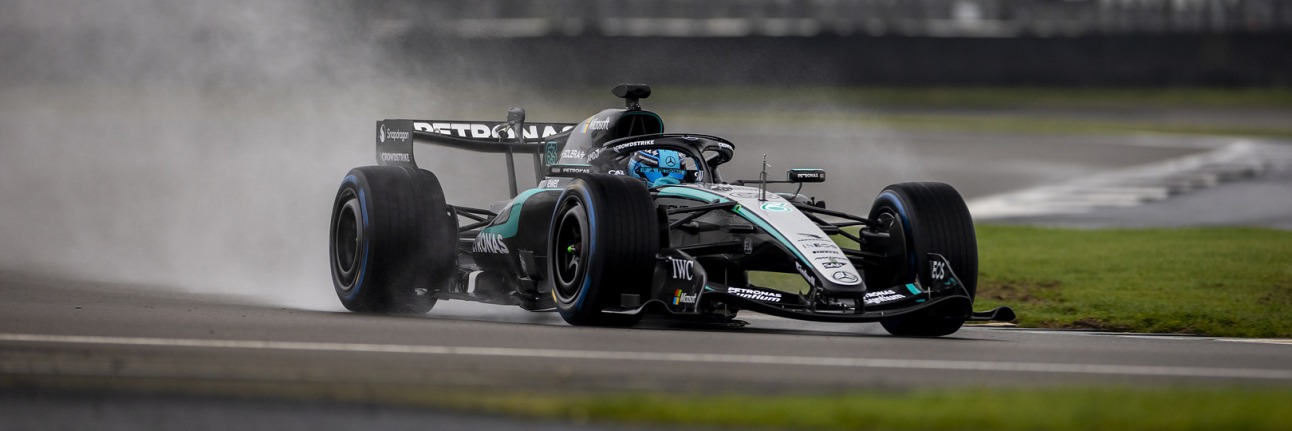
The visual change has been immediate. The 2026 F1 cars are shorter, narrower and 30kg lighter. It’s a deliberate attempt to reverse the long, heavy silhouettes that have become synonymous with the latter part of the hybrid era.
On paper, this points towards more nimble direction changes, perhaps even asking more of the drivers. They will no longer be leaning so heavily on aerodynamic certainty and living more on instinct.
That doesn’t necessarily mean slower or less exciting. It means different margins that might welcome different driving styles and potentially different overtaking opportunities.
Life after DRS
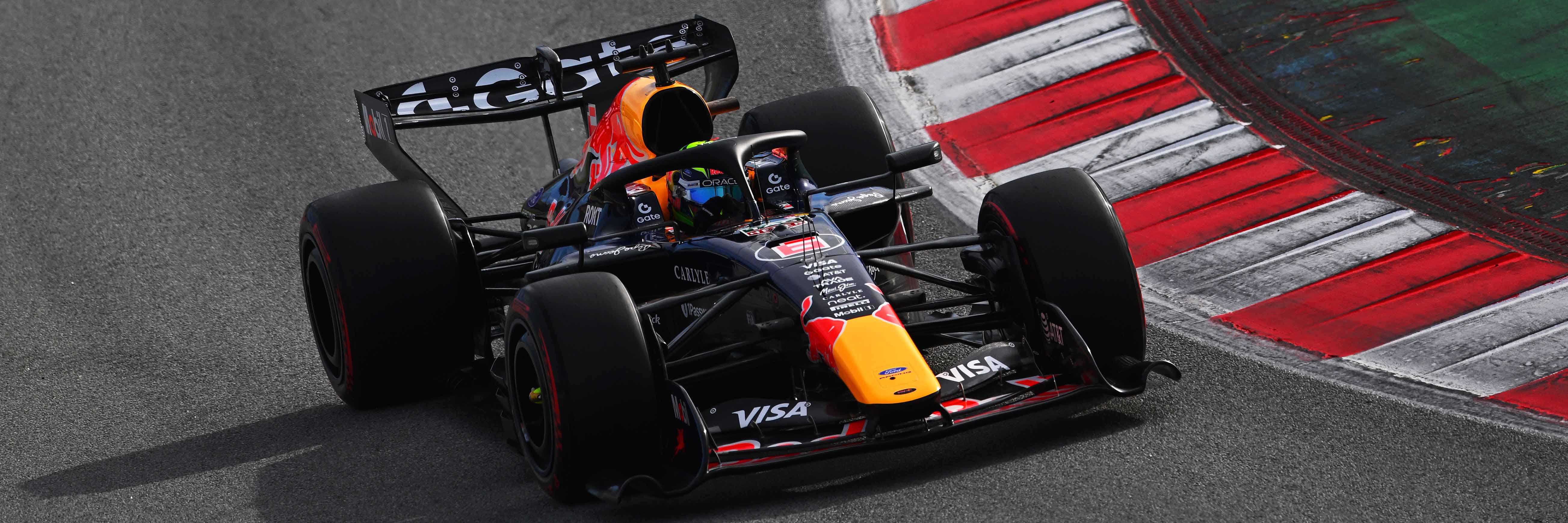
If one change is more prominent to fans in 2026 reset, it is a farewell to DRS. For more than a decade, the Drag Reduction System has been both a facilitator and a frustration. Effective, but ultimately an inelegant solution. It generated overtakes, more than any other season in history in the first year it was introduced, but often missing the magic that makes them memorable.
In its place comes a Manual Override electrical boost for cars running close behind. Instead of opening a flap – which will happen automatically with active aerodynamics – drivers will manage energy deployment corner by corner, straight by straight.
Rather than waiting for a detection point, drivers will need to plan where to harvest their energy, where to deploy it and where compromising pace could pay off later. Racing could become more layered, with moves being constructed corners or even laps in advance.
At a circuit like Silverstone, with long full-throttle sections and relatively low braking demand, the fastest car over one lap might not be the most potent in wheel-to-wheel combat.
A new craft behind the wheel
The new power units will place more emphasis on energy harvesting. With electrical power output nearly tripling and recovery being capped each lap, drivers will be forced into more pronounced lift-and-coast phases, especially at circuits where braking is limited.
Braking points will become more fluid, some corners may reward an earlier lift to enable more deployment later in the lap, or vice versa. In many ways, this brings F1 closer to Formula E’s driving style: quick but considered.
That opens the door for different interpretations. Drivers who can process and recalibrate their driving style may have an advantage. And because the cars are expected to have more of a neutral balance, at least initially, there may be more than one way to be fast. That alone is a quiet but powerful ingredient for better racing.
A different kind of spectacle
The 2026 regulations are unlikely to deliver instant clarity on whether we’ll see better racing or not. Some races will benefit and others may feel awkward. There will be learning curves and maybe a few weekends where no one quite gets it right.
But if the cars can follow more closely, if overtakes require an entirely new craft, and if drivers are rewarded for intelligence as much as aggression, the spectacle may deepen rather than diminish.
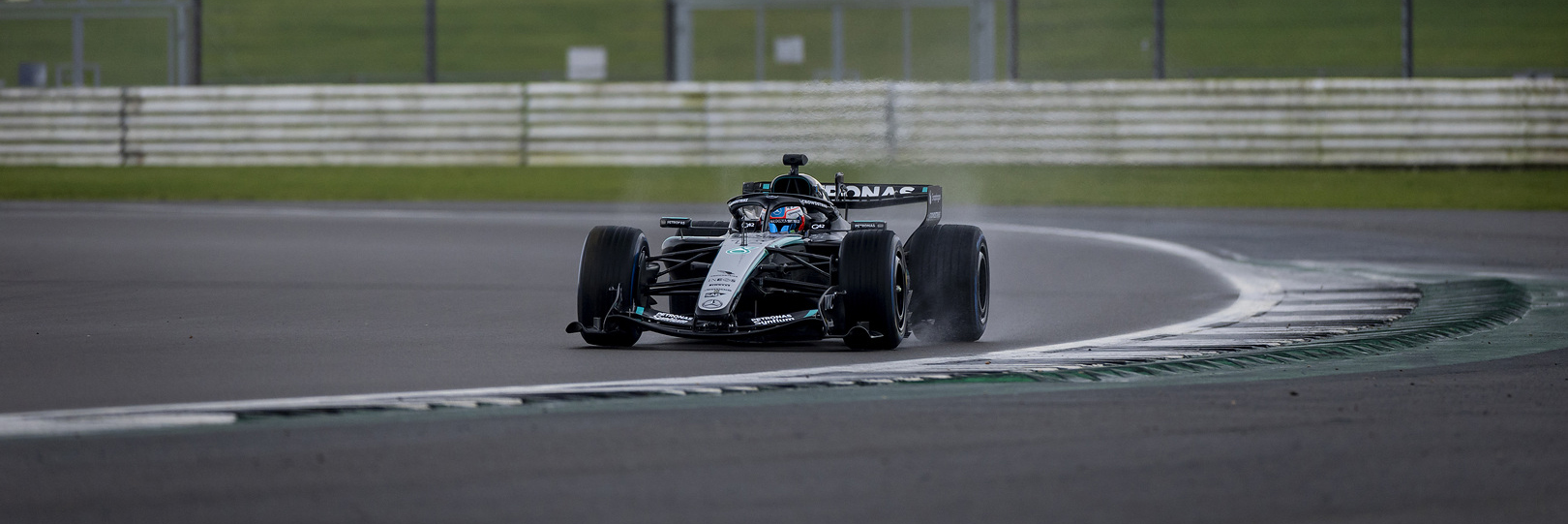
At circuits like Silverstone, where bravery and strategic intelligence are as important as each other, that could make for some truly thrilling racing.