


Three F1 teams that aced regulation changes in the past
28 January 2026Regulation changes in Formula 1 always bring seismic shake-ups of the established order, but they also present the best opportunities for those bold enough to think around the boundaries of the rules. When the book is rewritten, it is the closest thing the sport has to a clean slate.
Commit to the correct concept that others might’ve missed, and it is possible to leap into title contention overnight from anywhere on the grid.
With F1 in the midst of another major reset featuring new power units, revised aerodynamics and a renewed emphasis on efficiency, it is worth looking back at the moments when teams truly aced a regulation change.
Here are three recent cases where understanding the rules proved pivotal for the new era of F1.
Brawn GP (2009)
The fairytale of Brawn GP began long before the first Grand Prix of 2009. It actually started late in 2007, when Ross Brawn arrived at Honda and immediately shifted focus toward the sweeping aerodynamic rule changes planned for 2009.
While 2008 title rivals McLaren and Ferrari were focused on the battle at hand, Brawn got to work on the aerodynamic restrictions for the new era and with it, got the jump on the rest of the field.
And so, following Honda’s departure from the sport and Ross Brawn’s acquisition of the team, the Brawn BGP001 was born, a car forever associated with the double diffuser. The concept was ruled legal at the season-opening Australian Grand Prix, giving Brawn a decisive early advantage. Toyota and Williams may have had similar interpretations, but Brawn executed the concept best.
The car wasn’t a one-trick pony either. An innovative front wing endplate philosophy to help with outwashing was combined with suspension upgrades. When all of these elements converged on the 001, it became clear that Brawn had worked a piece of remarkable F1 magic.
With a special car at his disposal, Jenson Button won six of the opening seven rounds. Even when other teams caught up, that initial buffer he’d created was enough to keep them at bay. Jenson went on to win the title at the 2009 Brazilian Grand Prix with one race to spare.
Mercedes (2014)
Five years on and the team that was once Brawn GP did the unthinkable. They capitalised on yet another set of sweeping changes to the F1 rulebook.
Having been rebranded as Mercedes in 2010, the team spent the following four seasons snatching the occasional podium, pole and win but performance rarely matched the front-running Red Bulls, Ferarris and McLarens.
But something was simmering in the background. Just as Brawn had previously, Mercedes switched focus to the huge 2014 engine changes earlier than most. Couple that with its extensive knowledge of the KERS system, and Mercedes were seemingly destined for success when the new rules came into effect.
At that point, the 2014 regulation changes were arguably the most comprehensive in the sport’s history. It was out with the naturally aspirated V8s and in with the 1.6-litre V6 turbo hybrid power units.
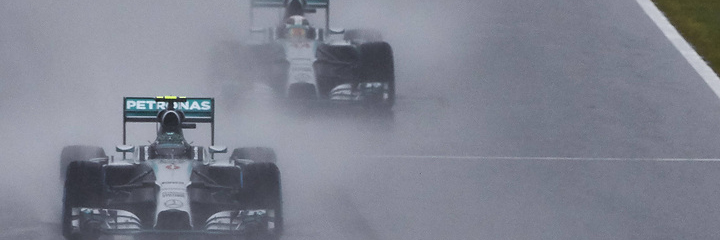
In hindsight, it was perhaps unsurprising how dominant the Mercedes engine was, in 2014 and in the years to come. Mercedes won 16 of the 19 races that season, powered Lewis Hamilton to the Drivers’ Championship and three of the top five Constructors’ that year were powered by Mercedes engines.
Red Bull (2022)
When Formula 1 returned to ground effect aerodynamics in 2022, the aim once again centred around simpler aero and cars that could follow more closely. The reality was more complex.
The term porpoising entered the F1 vernacular, weight limits caught teams out and wildly different design philosophies emerged. Not for the first time in his career, Adrian Newey read the rules better than most.
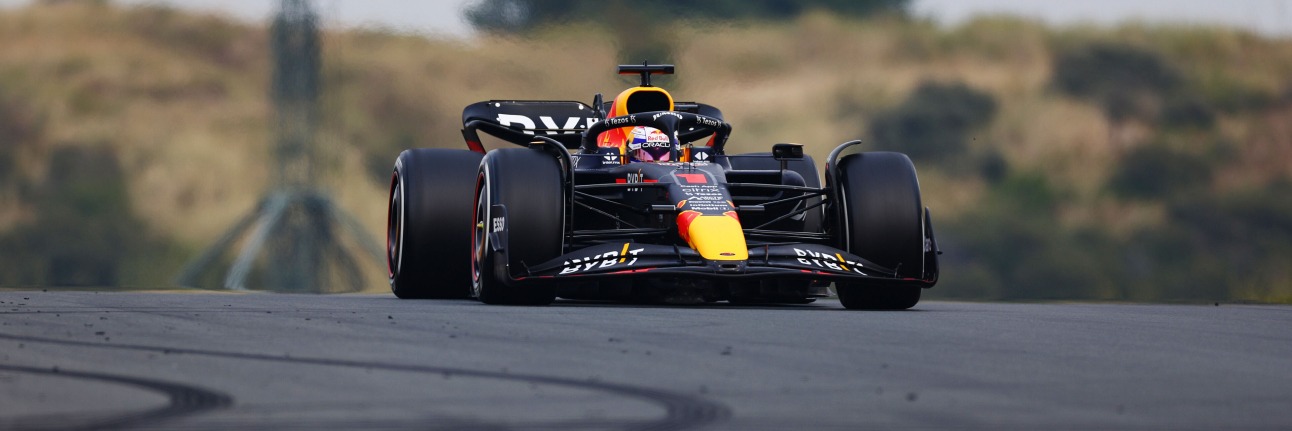
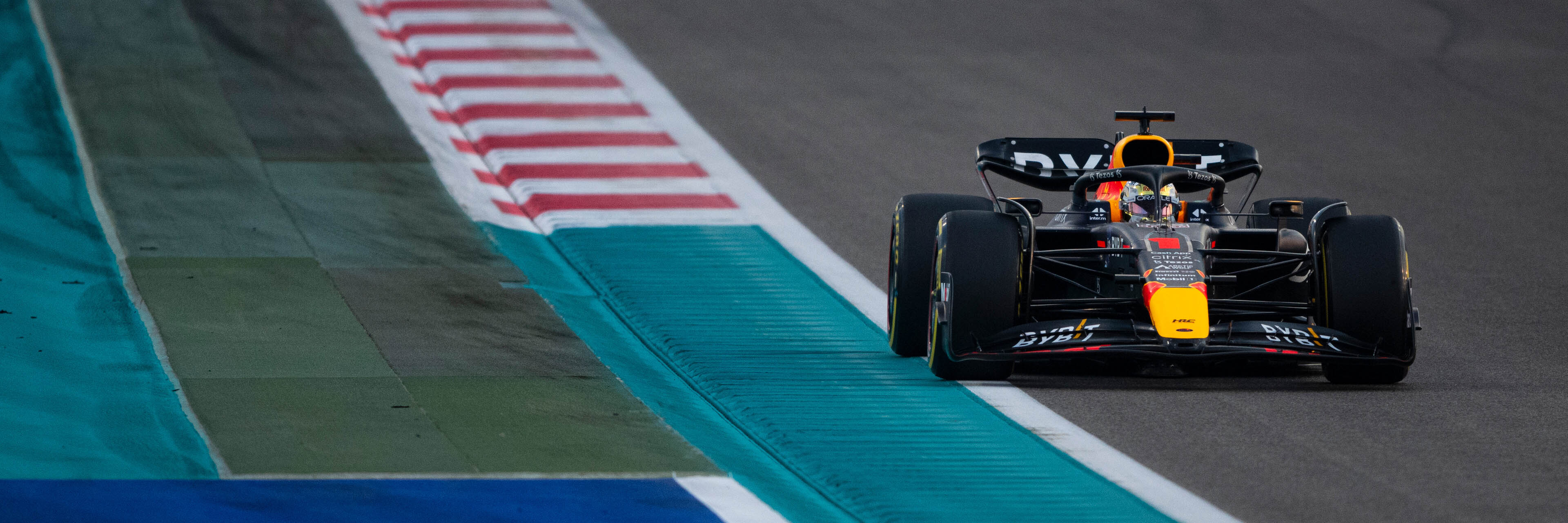
While Ferrari had started the season strongly, it was the Red Bull RB18 that became the dominant force. The team produced a car that combined aerodynamic efficiency with mechanical stability, allowing Red Bull to manage ride height sensitivities better than its rivals.
Red Bull built on that solid foundation, and over the course of the season unlocked yet more performance from shedding weight and improving tyre management.
By the end of the year, Max Verstappen had won 15 of the 22 Grand Prix and Red Bull had laid the foundations for sustained success into 2023 and 2024.
What this means for 2026
The common thread across these examples is not budget, luck or star drivers. It is a clear, defined vision and the conviction to stick with it.
As Formula 1 enters its new era of 2026 regulations, history suggests the next dominant force may already have been laying the groundwork for some time.
The changing of the rulebook always writes a new chapter into F1 history. The champions are the ones who read it best.