


F1 2016 vs 2026: How has Formula 1 evolved over the last decade?
16 February 2026In the early part of 2026, the world has been turning the clock back 10 years to 2016, and Formula 1 offers a fascinating case study of its own to add to that trend.
At first glance, the sport seems bigger and more global than ever. But look a little closer, and similarities between 2016 and 2026 begin to reveal themselves.
F1 2016 Standings: A grid that feels strangely familiar
A decade ago, reigning teams’ champion McLaren was languishing in sixth with just 76 points. In 2026, it had one of the highest points tallies ever with 833.
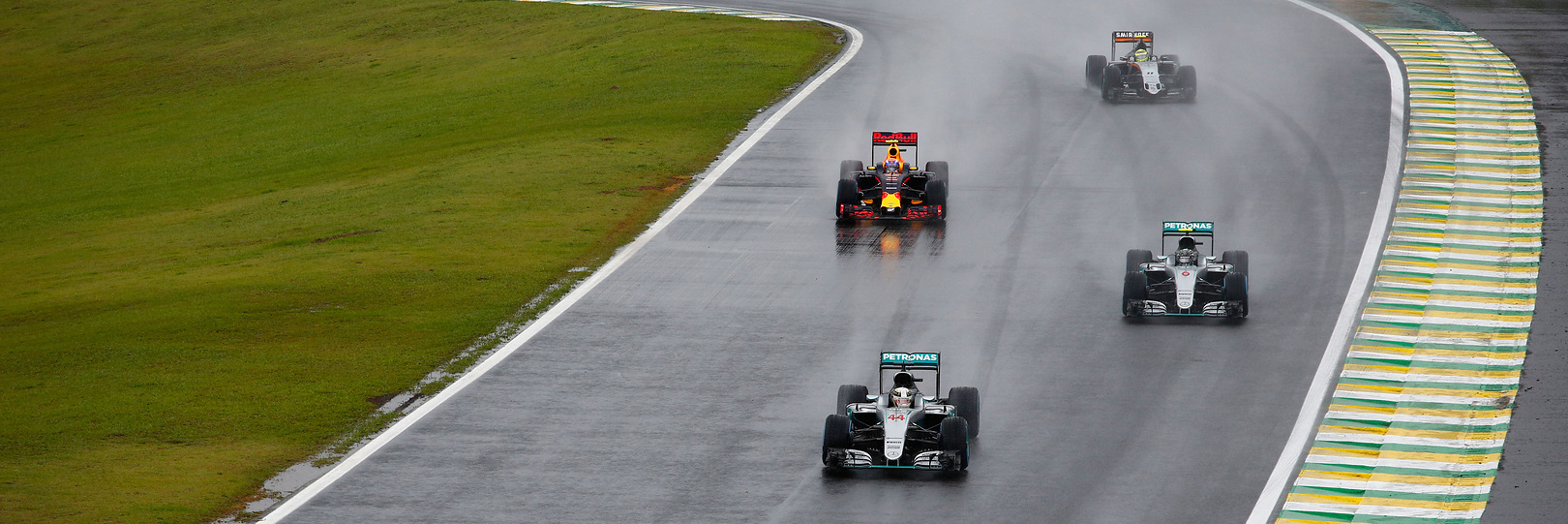
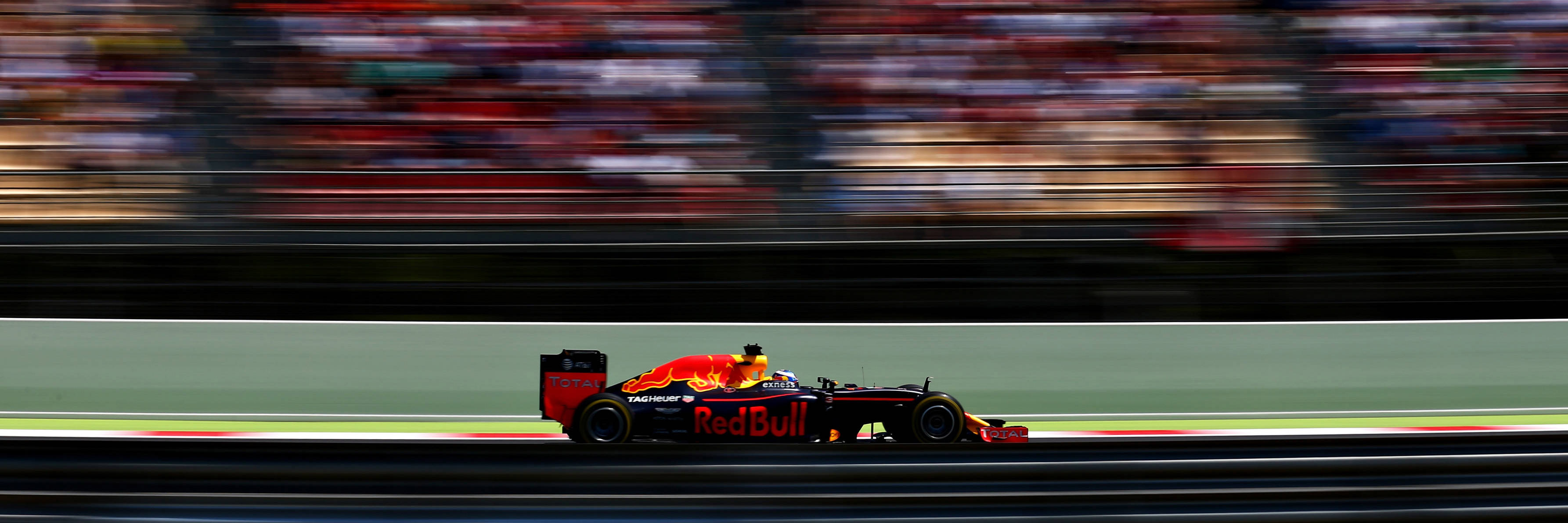
Mercedes, the undisputed dominant force in F1 during that period, sat at the summit of the Constructors’ standings, nearly 300 points clear of nearest challengers Red Bull, while Ferrari found itself third, and midfield teams like Force India and Williams punched well above their weight.
The 2016 season delivered a tantalising title battle, with Nico Rosberg edging Lewis Hamilton by just five points. It was also a year that saw the rise of future stars who would go on to define the sport.
World Champions, then and now
In 2016, Lewis Hamilton, Sebastian Vettel, Kimi Räikkönen, Fernando Alonso and Jenson Button were all active World Champions, representing a golden generation of Formula 1. Ten years later, Hamilton and Alonso are still chasing titles, now joined by Max Verstappen and Lando Norris as champions of a new era.
An 11-team grid
The last time Formula 1 featured 11 teams was in 2016, when Haas arrived on the grid. Fast forward ten years and Cadillac becomes the newest name to join the championship, becoming the 11th team on the grid.
Haas represented a fresh American foothold in 2016, and Cadillac is doing the same in 2026. Formula 1 is once again big enough, healthy enough and popular enough to support 11 teams.
A lone British rookie
In 2016, Jolyon Palmer was the only British driver making his Formula 1 debut. In 2026, history repeats itself in remarkably similar fashion. Arvid Lindblad arrives as the sole British debutant, lining up on the grid a decade after Palmer.
How Formula 1 has truly changed since 2016
For all the similarities between 2016 and 2026, the biggest evolution in Formula 1 has happened off the track. In 2016, Formula 1 was still fighting for relevance in global sport, but Drive to Survive would soon change the entire landscape of the championship.
Since its debut, the Netflix series has transformed Formula 1 into a global entertainment phenomenon. It humanised drivers, exposed team politics and turned midfield battles into must-watch drama. Since then, circuits like Silverstone have seen record crowds, younger audiences and a surge in first-time fans discovering the sport.
Evolution with a sense of déjà vu
Formula 1 in 2026 is undeniably more polished, more popular, and more powerful than it was in 2016. The explosion in global interest, fuelled by Drive to Survive, has reshaped the sport’s identity and audience.
And yet, the familiar shapes remain. Eleven teams. Legendary champions. British rookies.
Perhaps, Formula 1 hasn’t looped back on itself after all. Rather, it has learned how to carry its pedigree into the future.