The winners and losers from F1 2026 pre-season testing
26 February 2026Six days, two tests and thousands of kilometres later, the F1 pre-season picture for 2026 has taken shape.
Although nothing is certain until things get underway in Melbourne, there are still plenty of takeaways from Bahrain that can give us an idea of what to expect when F1 heads down under next week.
Here are our winners and losers from the Bahrain tests.
Winners
Ferrari
The Scuderia logged plenty of mileage across both tests, avoided serious reliability headaches and ended the entire programme on top thanks to Charles Leclerc’s eye-catching 1:31.992 on the final afternoon.
Lewis Hamilton’s long-run work pointed towards a car that looks stable and predictable, while Leclerc’s late-test pace suggested Ferrari still had something more up their sleeves. The team leaves Bahrain looking organised, fast and quietly comfortable in its own skin.
Mercedes
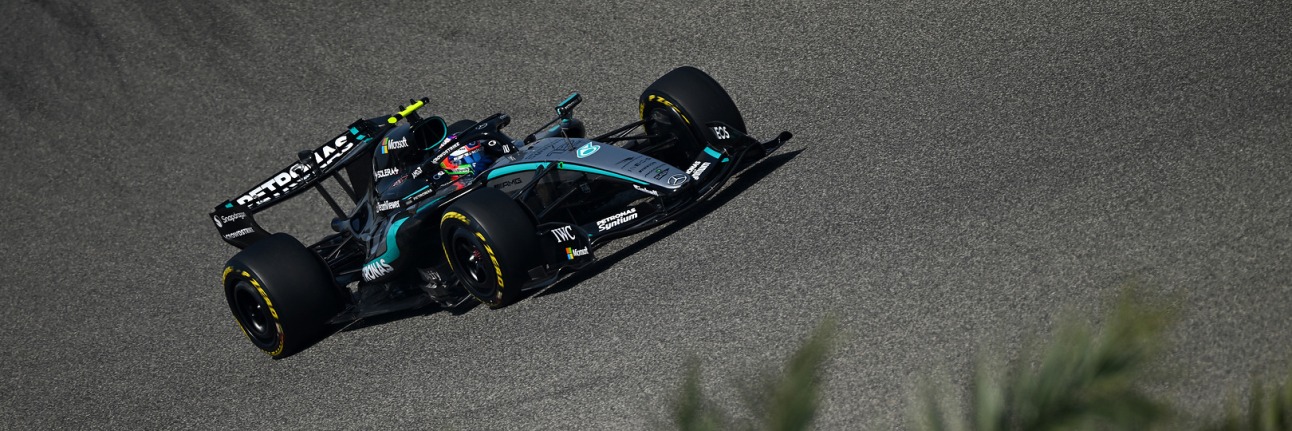
Mercedes may not have topped every headline, but their testing story reads like one of a deep foundational substance. The W17 showed genuine pace across both tests, with Kimi Antonelli and George Russell regularly featuring near the top of the timesheets.
Reliability blips did surface – most notably Antonelli’s stoppage during the second test – yet Mercedes still emerged with the highest lap count of Test 2. More importantly, the drivers sounded upbeat about balance and drivability.
Haas
Haas might not have stolen the headlines, but across both Bahrain tests, the American outfit logged impressive mileage, avoided major reliability setbacks and steadily improved the VF-26’s behaviour.
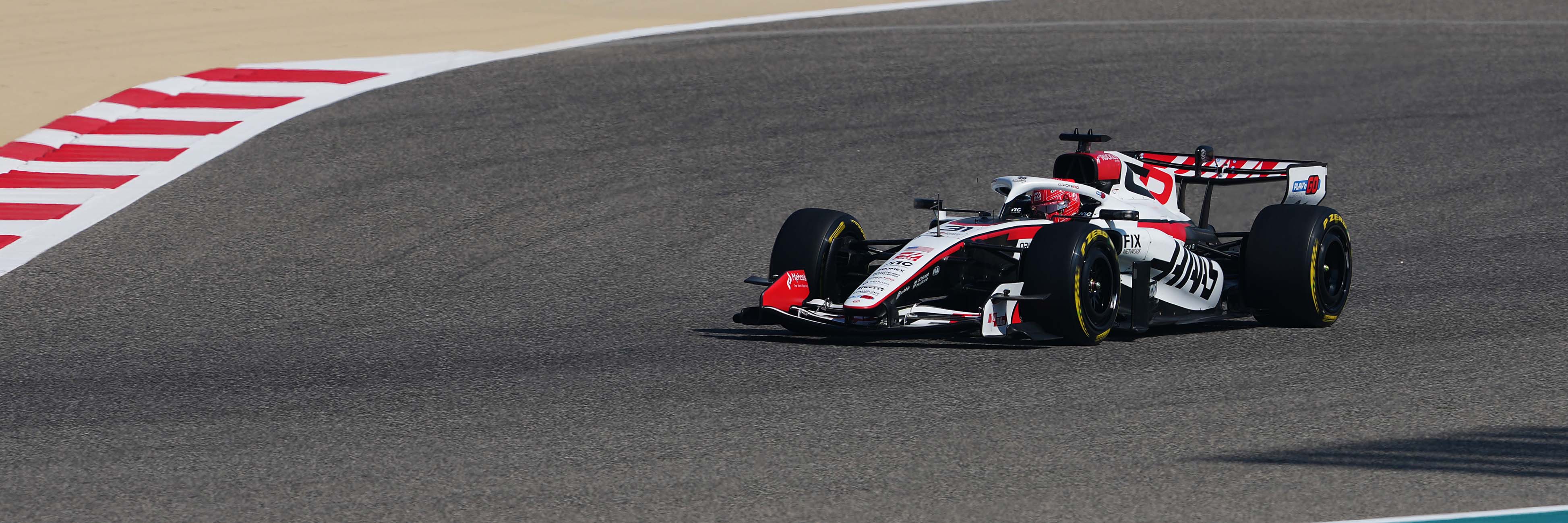
Both Esteban Ocon and Ollie Bearman reported productive days, with Bearman describing the final sessions as the most informative of the entire pre-season. Haas look organised, efficient and well-positioned to be a serious midfield force when racing gets underway.
Losers
Aston Martin
No team will be happier to see the back of testing than Aston Martin. Limited running in Barcelona set them on the back foot, and Bahrain only compounded the frustration. Across both tests, mileage was the lowest in the field, with reliability issues repeatedly interrupting progress.
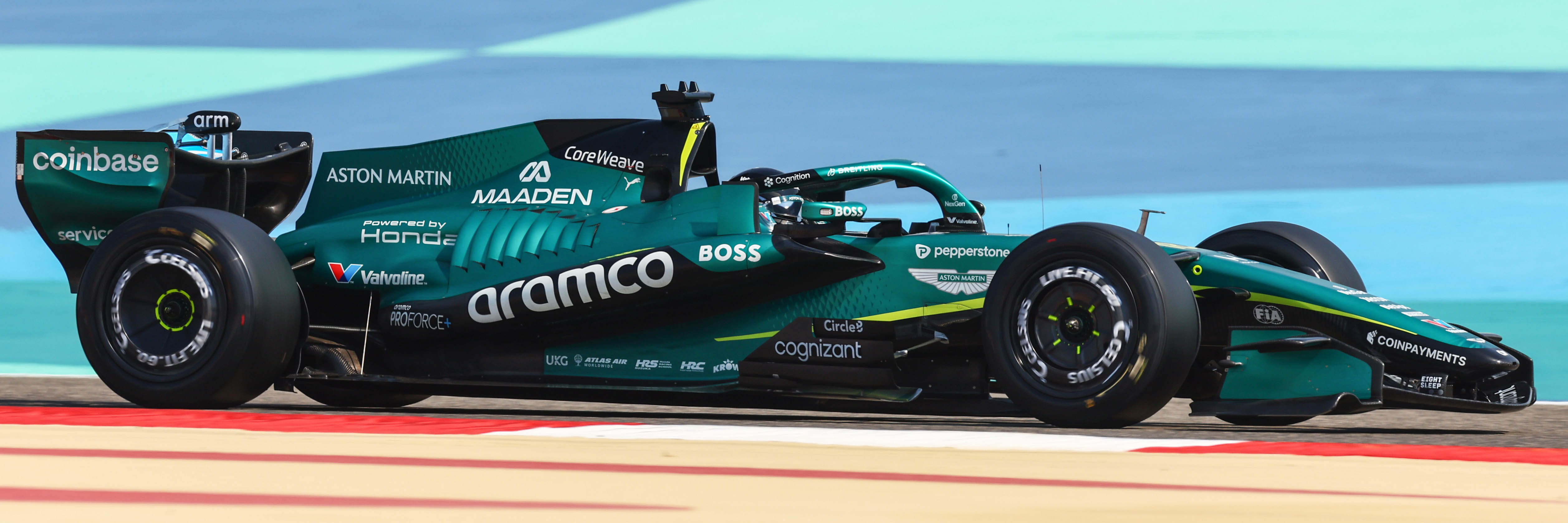
The final day of testing summed things up starkly: just six non-timed laps completed. Drivers and management alike acknowledged that Melbourne may come too soon for meaningful fixes.
Williams
Williams left Bahrain with data in the bank, but pace still missing. After skipping the Barcelona Shakedown, the team did well to rack up laps across both tests, yet the FW48 appeared to be carrying extra weight.
Drivers spoke openly about limitations, and while reliability wasn’t a major concern, outright performance lagged behind midfield rivals.
Alpine
Mileage improved notably during the second test for Alpine, and the team appeared more comfortable as running went on, but outright pace remained difficult to judge.
Stoppages during the first test disrupted momentum, and while the switch to Mercedes power units brings long-term stability, Alpine rarely looked like a team ready to break clear of the midfield pack.