



Australian Grand Prix 2026 preview: Key F1 talking points ahead of the season opener
02 March 2026Formula 1 returns from its winter hiatus with a sense of genuine intrigue as the 2026 Australian Grand Prix opens a new era for the sport.
New regulations, new power units, lighter cars and a radically different approach to racing all converge in Melbourne, where Albert Park once again hosts the season curtain-raiser.
After a comprehensive shakedown and testing programme in Barcelona and Bahrain, the competitive picture is yet to take shape. That being said, Ferrari and Mercedes look fast, McLaren arrives as reigning champions and only a fool would count out Max Verstappen.
Here are the key talking points ahead of the 2026 Formula 1 season opener in Melbourne.
Australian Grand Prix 2026: Race essentials
- Venue: Albert Park Grand Prix Circuit, Melbourne
- Season round: Round 1 of the 2026 F1 World Championship
- Weekend format: Grand Prix weekend (no Sprint)
- Race start time: 04:00 (GMT)
- Big unknowns: New 2026 regulations, no DRS, active aerodynamics, energy management
Will 2026 make Formula 1 racing better or worse?
The 2026 regulations represent one of the most sweeping resets in Formula 1 history. Smaller, lighter cars with less downforce. Then there’s the removal of DRS, replaced by complex active aerodynamics. Not to mention a near-even split between electrical and combustion power.
At Albert Park, the implications of what that means for the competition will finally be revealed. In DRS’ place comes a Manual Override electrical boost for cars running close behind, but it can be deployed anywhere in the lap, which may demand more strategic thinking.
Energy harvesting will also play a critical role. With recovery capped per lap, drivers are being forced into more dramatic lift and coast styles, and that will be even more pronounced at circuits like Melbourne where heavy braking zones are limited. Braking points will become more fluid, and the fastest qualifying car may not be the most effective in wheel-to-wheel combat.
Can Lando Norris defend his first F1 world title?
All eyes in Melbourne will be on reigning champion Lando Norris, who begins his first Formula 1 title defence. History shows defending a maiden title is rarely straightforward, and the reset in regulations strips away many of the performance certainties Norris relied upon last season.
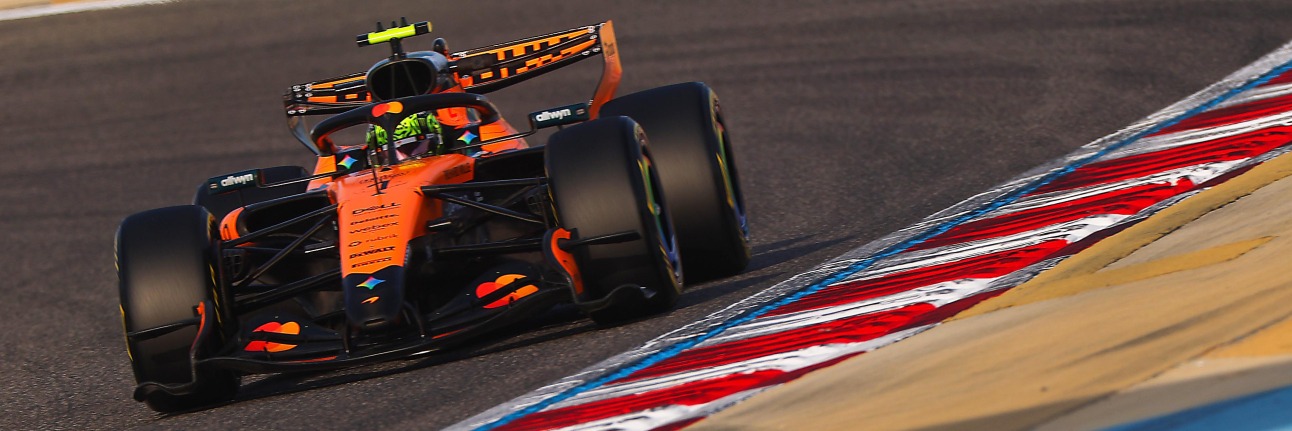
Testing suggests McLaren may not hold the same clear advantage it enjoyed last year. Ferrari, Mercedes and Red Bull all look to have pace, so if Norris is to become a two-time champion, he’ll likely have a tougher job in 2026.
Who is fastest heading into the Australian Grand Prix?
Ferrari left Bahrain fastest as Charles Leclerc’s late-test time suggested there was more performance left untapped. Even more intriguing has been Ferrari’s experimentation with an inverted rear wing concept, which has the potential to be an ace in the hole for the Scuderia.
Mercedes, meanwhile, focused on mileage and consistency, with both George Russell and Kimi Antonelli near the top of the timesheets throughout the tests as well as logging the highest lap count of the second Bahrain test.
McLaren’s picture is more opaque. The champions look competitive but not dominant, with a programme appearing more conservative than the others.
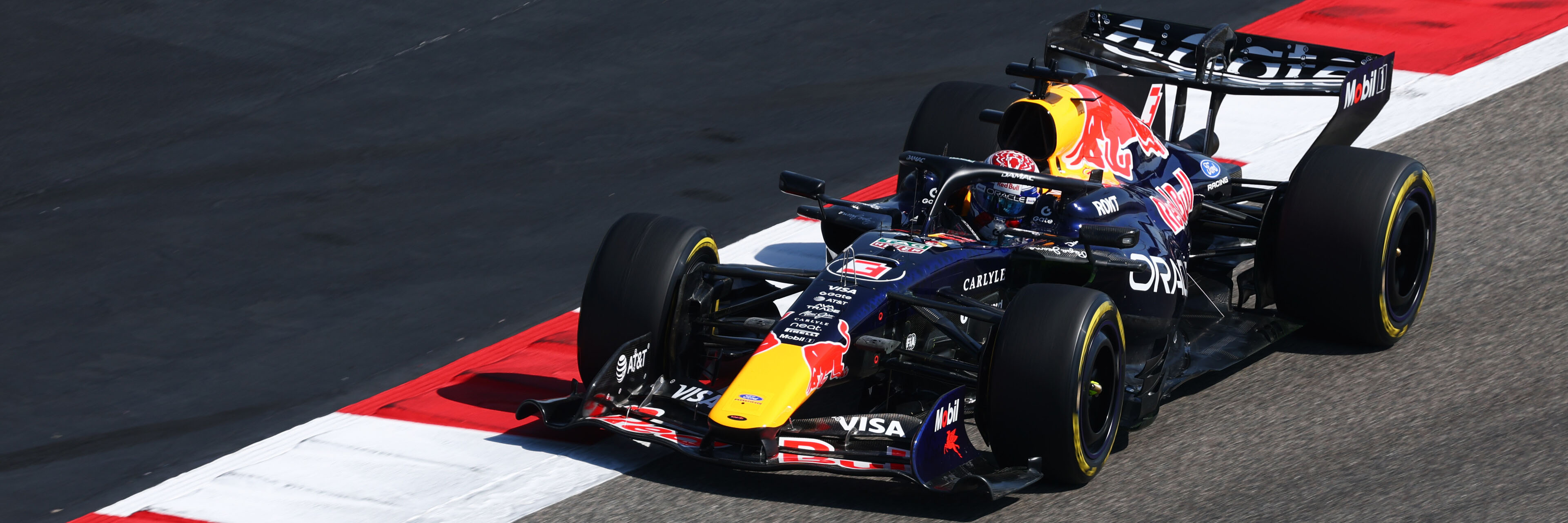
Red Bull remains the wildcard. Max Verstappen’s aggressive downshifting style has drawn plenty of attention, with questions lingering over how well it may integrate with energy harvesting demands.
What to watch for on race day in Melbourne
The 2026 Australian Grand Prix will offer the first insights into what F1 racing in 2026 might look like. How closely can the cars follow? How effective is the new energy deployment in battle? And which teams have come up with the most inventive interpretations for the new rules? We’ll find out this weekend as F1 heads down under for the season opener.