
Silverstone through the years: a legacy of evolution and passion
20 August 2025From the thunder of Formula 1 engines to the quiet echoes of its wartime past, Silverstone has always been more than just a circuit. It’s a living landmark where history and innovation share the same tarmac, and where a community of passionate people work year-round to deliver unforgettable moments.
Over the decades it has evolved into a world-class venue that draws hundreds of thousands of fans from across the globe. We spoke to three longtime Silverstone team members – Diane, Anthony, and Lee – to uncover how the circuit has changed through the years, the challenges of keeping pace with modern motorsport, and the moments that really stand out to them.
From humble beginnings to a global motorsport hub
Circuit Manager Lee Howkins has been part of the Silverstone family since 1987, and shares a unique perspective shaped by his deep family ties to the circuit. “My grandfather worked here for 35 years, building the original Woodcote and Stowe scaffold grandstands after the war. My father took over, I came up to help him and I’ve never left,” Lee explains. “It’s a bit of a family affair.
“Effectively, I’ve watched the place grow from a basic F1 circuit into what it is today – a gold standard venue.”
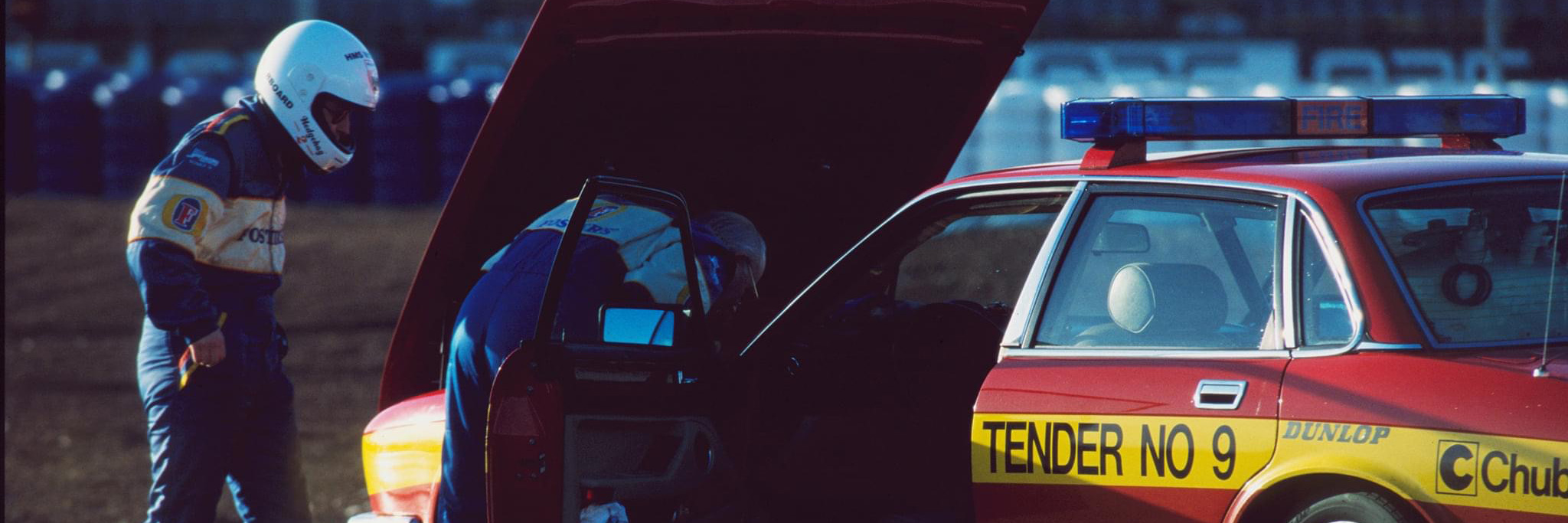
Lee recalls the transformation of the surrounding infrastructure too. “It used to be a sleepy little village. Now, for four days of the year, it feels like a major city,” he says. Anthony Burman from the Safety Team agrees, having worked at the circuit since 1979, “It’s like its own little town now, especially when F1 rolls up, it changes.”
It’s not just the circuit that has evolved, but those that attend the race weekends explains Lee. “The demographics have changed. There are a lot more youngsters now, especially with ‘Drive to Survive’ attracting new fans.
“The Grand Prix has become like a four-day festival – groups of friends coming together to celebrate racing, almost like Glastonbury without the music.”
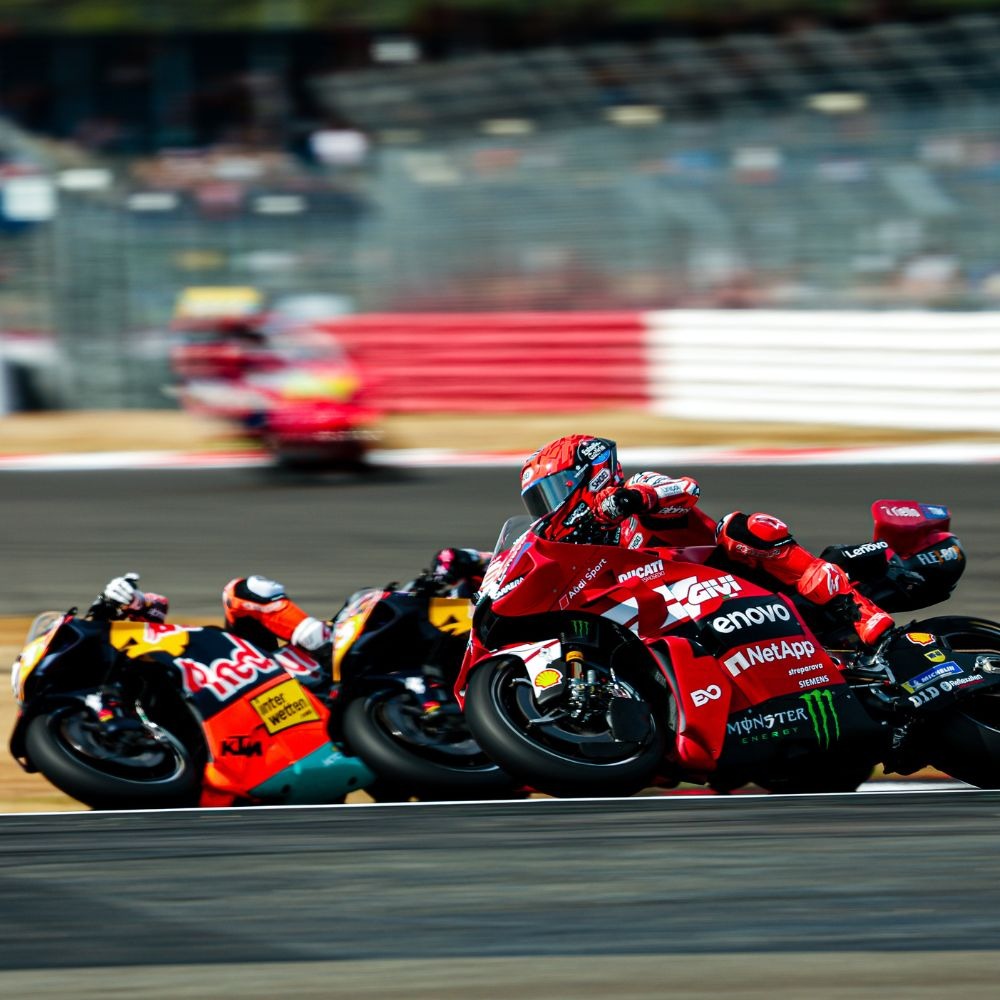
“A lot of youngsters are getting interested now, I see a lot more young females and couples coming through the gates now which is great. Not just at the Formula 1, but in MotoGP as well,” echoes Diane Symmonds, a Project Manager at the circuit.
Behind the scenes: The people who make Silverstone run
Behind the spectacle of a race weekend, an entire network of people keep Silverstone running smoothly. From logistics to ticketing to maintenance, their work is often invisible to fans, but vital to the circuit’s success.
“Working with the IT team in my first 18 months we changed five software systems,” recalls Diane. “That type of thing is what supports the growth of Silverstone. Before there would have been small systems that don’t talk to each other and now there are much bigger systems in place which means employees are doing more of what they need to rather than manual tasks.”
Every detail counts in delivering a world-class experience, and that includes things that can’t quite be planned for “There’s always last-minute changes that need to be accommodated,” shares Lee.
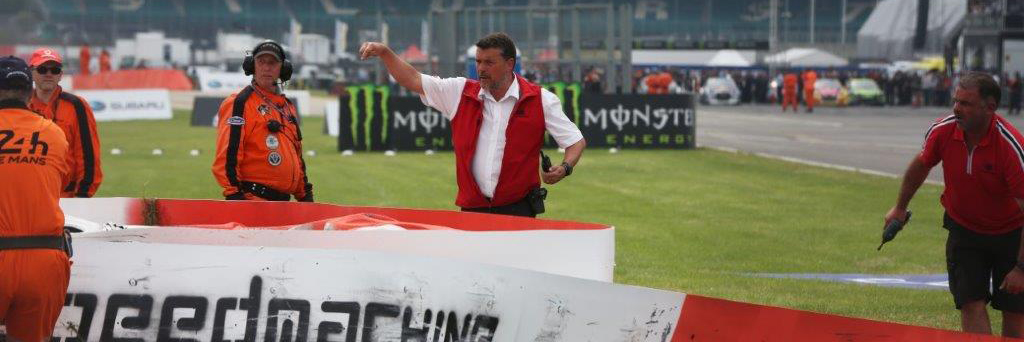
“One year Charlie Whiting said he needed some kerbs on the outside of Turn 18. He told me on the Saturday afternoon, and I had to assemble a team of about 25 people to get the job done and we worked until about half past four in the morning to get it done.”
Balancing heritage and progress
The challenge at Silverstone is not simply hosting one of the world’s most famous motorsport events, it’s doing so while preserving the venue’s unique history. Lee explains the delicate balancing act: “Trying to bring so many people here is difficult, so we have to grow with it and make sure that the infrastructure can also grow. We want fans to have a great time, which they do, but for us it’s all about planning to make sure they can do all the necessities, after all, we are an old wartime airfield.
“Under the track and in certain parts of the parking areas there’s still parts of the original concrete from what used to be the perimeter road to the airfield,” Lee notes. “That’s almost 100 years old now.”
The circuit has evolved over the years, with several new facilities popping up across the site. “When I first came here it was pretty much still fields, but now you’ve got UTC, Escapade and the hotel,” explains Anthony. “The good thing is that we have the museum now as well, so you can witness Silverstone’s history there and what it used to be like.”
The new developments each have subtle nods to tradition seen across the site. “When you look at the top of the hotel and see the canopy, it’s the same that is on the BRDC Clubhouse,” points out Diane. “We’re going to be getting another one for the karting building as well. It’s like Silverstone has its own design and we stand out, it’s who we are.”
Progress is not just architectural, it’s digital. “One of the big changes is the technology,” Diane continues. “Going back a few years, we had paper tickets, we used to look at the tickets and then let people in whereas now we’re on scanners. Tickets are all sent via an app, and you can easily share them round. It betters our systems internally.”
Fond memories
With over 80 years of service at the circuit between the three of them, each have their own fond memories of Silverstone and what it means to them.
“I have an everlasting moment of my first ever track inspection that I did with the late, great Charlie Whiting,” says Lee. “He saw how nervous I was, and he put his arm around me and said, ‘Don’t worry son, I’ll look after you’. Those words will live with me for the rest of my life.”
For Diane, it was an early moment in her time at the circuit “I was a zone manager between Abbey and down to Club corner and I had around 68 Race Makers that I needed to manage, and it was just the best time. Coming to the end of the Sunday, when everyone’s had the most amazing day, you just catch up and realise what you’ve just done. There’s nothing quite like it.”
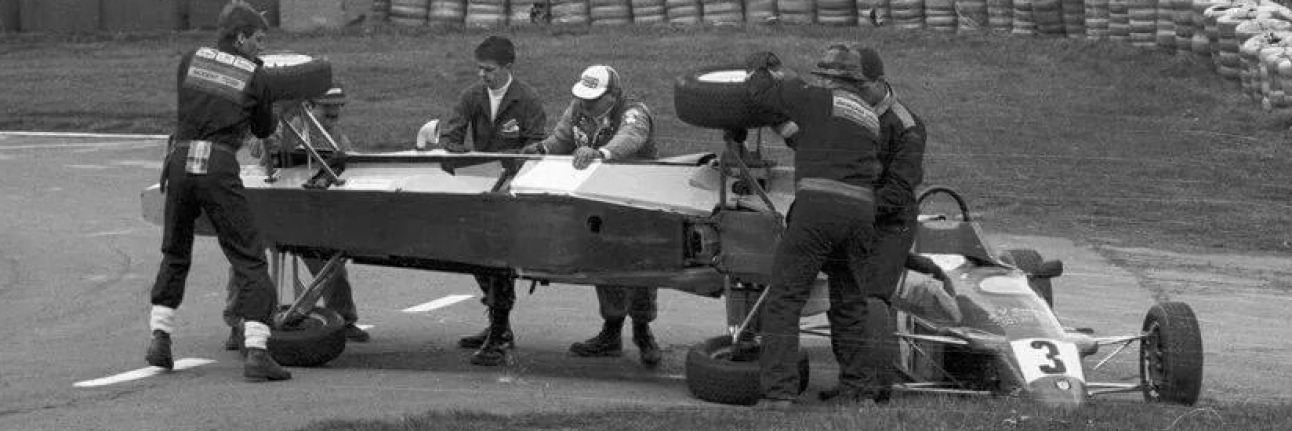
“My most memorable moments are probably from when I was marshalling,” explains Anthony. “There was a fellow called Colin Blower in his TVR Tuscan and as he was coming down to Brookland his throttle stuck open. He went straight into the Armco barrier and had a few injuries, but racing drivers are a special breed. I saw him about a year or so later and told him what had happened the last time I saw him and all he said was ‘that was a damn good show!’.”
As Silverstone continues to evolve, the commitment to fans and the sport remains at the core – powered by tradition, passion, and community. It will long remain at the heart of British motorsport and be a global icon for racing fans everywhere.