

Everything you need to know about F1 2026 pre-season testing
16 December 2025The dawn of a new era of F1 is fast approaching, and with the biggest regulation overhaul in recent memory, pre-season testing is going to be more important than ever in 2026.
A team’s performance in these crucial weeks can set the tone for their success in a new chapter of the sport.
With radically different cars, new power units, and active aerodynamics, there is huge anticipation around the three separate tests scheduled this winter.
Here you’ll find answers to some of the most asked questions about F1 2026 pre-season testing…
What is F1 2026 pre-season testing?
Pre-season testing presents F1 teams with the first non-virtual opportunity to evaluate their all-new 2026 challengers.
While teams got a glimpse of the future during December’s post-season test in Abu Dhabi – using modified mule cars to test active aero systems and Pirelli’s new rubber – this will be the first time the actual 2026-spec cars hit the track.
Since unlimited testing is a thing of the distant past, these sessions are critical. Teams have three distinct tests to gather data, ensuring their simulations match reality before five red lights are extinguished in Melbourne.
During F1 2026 pre-season testing, teams will focus on:
- Validating the new active aerodynamics systems (X-Mode and Z-Mode) on both front and rear wings.
- Optimising the new power units, which feature a 50/50 split between electrical and internal combustion power.
- Adapting to the smaller, lighter chassis dimensions and 100% sustainable fuel.
- Testing the 2026 Pirelli tyres designed for the specific demands of the new cars.
When and where does F1 2026 pre-season testing take place?
The 2026 schedule is more extensive than recent years to accommodate acclimatisation to the new regulations. It begins with a private test at the Circuit de Barcelona-Catalunya from January 26-30. This shakedown allows teams to troubleshoot their new systems away from the prying eyes of the global broadcast.
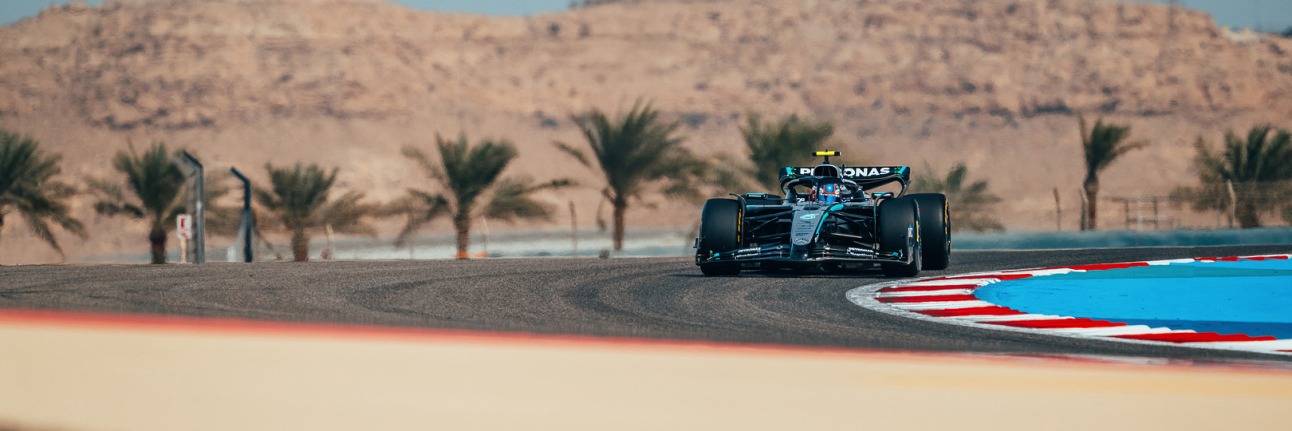
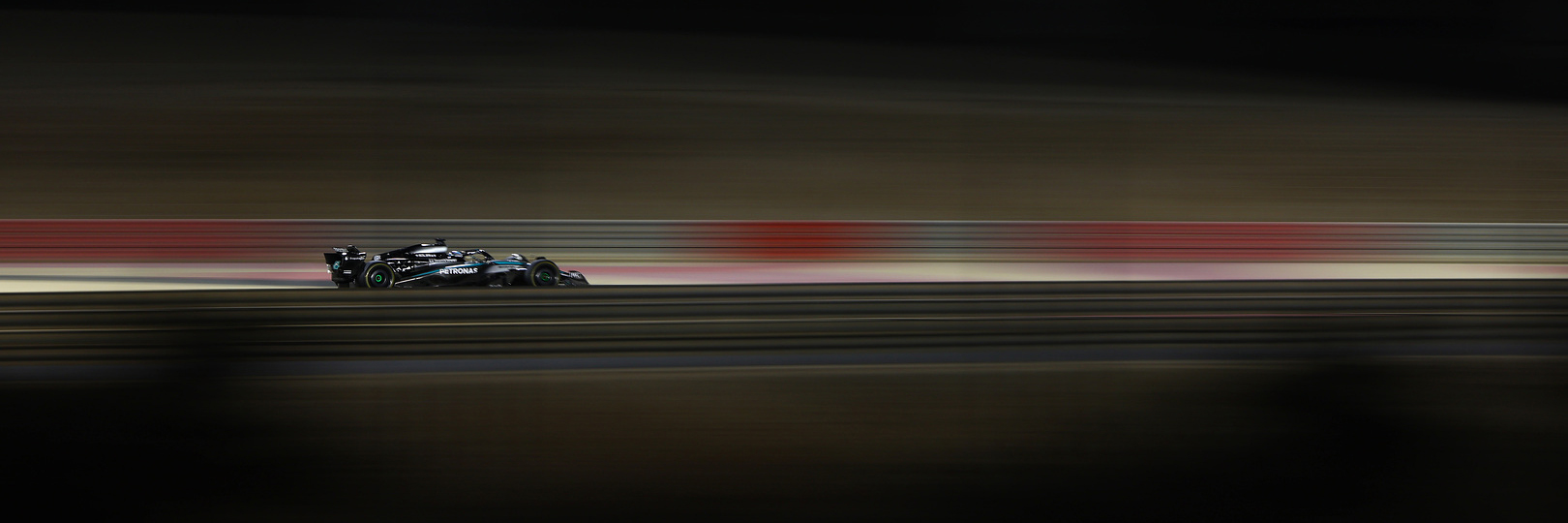
The action then moves to the Bahrain International Circuit for two official public tests: February 11-13 and February 18-20. The Sakhir circuit’s long straights and abrasive surface make it the perfect venue to stress test the new active aero and cooling requirements before the season begins in Australia on March 6-8.
2026’s pre-season test session times are expected to follow a similar pattern to last year, which was:
Time zone | Wednesday | Thursday | Friday |
|---|---|---|---|
AST (local) | 10:00-19:00 | 10:00-19:00 | 10:00-19:00 |
GMT (UK) | 07:00-16:00 | 07:00-16:00 | 07:00-16:00 |
Which drivers will be participating?
All 22 confirmed drivers for the 2026 season will take part. Given the magnitude of the regulation changes, seat time is more valuable than ever, especially for newcomers Cadillac and Audi, as well as Red Bull and Alpine who’ll be grappling with unfamiliar power units.
As the only rookie on the grid, Arvid Lindblad will also be looking to get as much time in his 2026 Racing Bulls F1 car as possible.
READ MORE: F1 2026 driver line-ups
How can I watch F1 2026 pre-season testing?
Because the first test in Barcelona (Jan 26-30) is classified as a private test, it will be held behind closed doors with no live television coverage. However, fans can expect comprehensive coverage for the two tests in Bahrain:
- Sky Sports F1 is expected to show the Bahrain tests live with commentary, and customers can access the broadcast via Sky Go.
- Coverage is also available with a separate subscription on Now TV.
- Highlights will also be available on F1’s YouTube channel.