
Ferrari’s 2025 F1 struggles explained: What’s gone wrong for the Scuderia?
22 October 2025After coming agonisingly close to the Constructors’ title in 2024, optimism filled Ferrari heading into the 2025 Formula 1 season. The team had finished the season on an upwards trajectory, Charles Leclerc looked reinvigorated following a strong end to the previous season, and the impending arrival of seven-time World Champion Lewis Hamilton was supposed to signal a return to glory.
Yet as the 2025 season has unfolded, those expectations have given way to frustrations – and what was meant to be Ferrari’s resurgence has instead become a campaign of missed opportunities, design flaws and executional errors.
From title contenders to playing catch-up in 2025
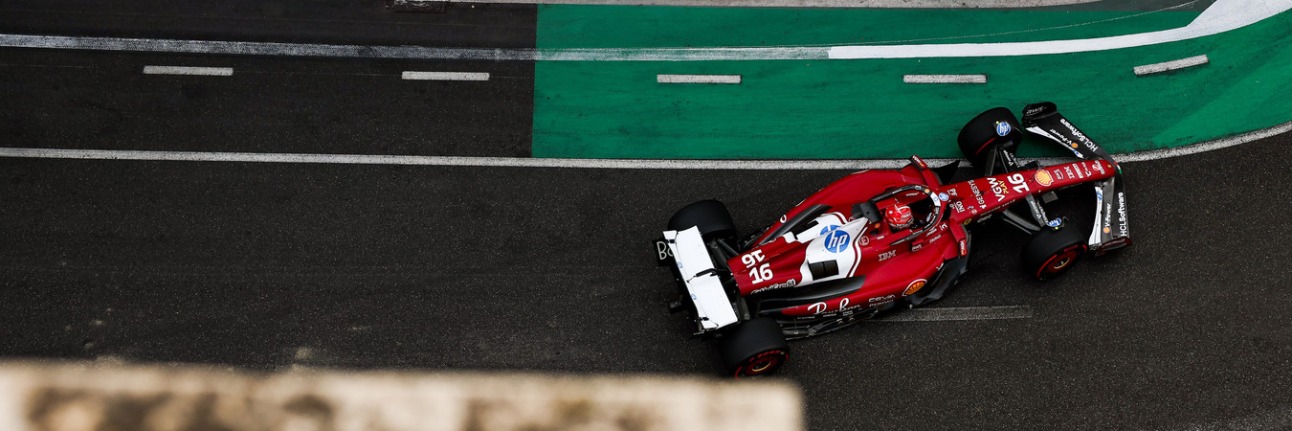
With momentum behind it from 2024, Ferrari unveiled the SF-25 at its Fiorano circuit in February. It featured major architectural changes, including a revised suspension layout – switching to a pull-rod front suspension, and aerodynamic changes designed to challenge its rivals. On paper, it was meant to build on the success of the SF-24, promising greater efficiency and stability, with some pinning it as a pre-season contender, but it has not lived up to expectations.
Ferrari has fallen from being regular podium contenders to often fighting for points. Inconsistent qualifying performances, questionable strategy calls, and fading race pace over a Grand Prix have cost the team valuable results – particularly in a season where the field has been exceptionally close. Yet, amid the frustrations, there have been moments of brilliance: Lewis Hamilton’s pole and win in the China Sprint, and Charles Leclerc’s six additional podiums and Hungarian Grand Prix pole, stand out as highlights of their campaign.
Ferrari’s technical troubles with the SF-25
The biggest struggles have come from a car that’s been difficult to unlock. The potential of the SF-25 is there, but its operating window is narrow. The team’s largest technical headache lies underneath the car, where it has proven extremely sensitive to ride-height changes. Run it too low, and the plank wears excessively; run it too high, and downforce falls away dramatically.
The double disqualification after the Chinese Grand Prix, where Hamilton’s plank wore beyond the limit and Leclerc’s car was found underweight, was a major turning point. Since then, Ferrari have had to run more conservative setups to stay within regulations – sacrificing downforce and triggering a loss of performance as a result.
Team boss Frederic Vasseur has been candid about the impact of the issue – admitting it diverted focus from other areas of development and forced both drivers to adapt their styles, often lifting through high-speed corners to prevent the car from striking the floor. All of this has proven costly on myriad types of circuit.
Strategy and execution: the return of Ferrari’s old weakness
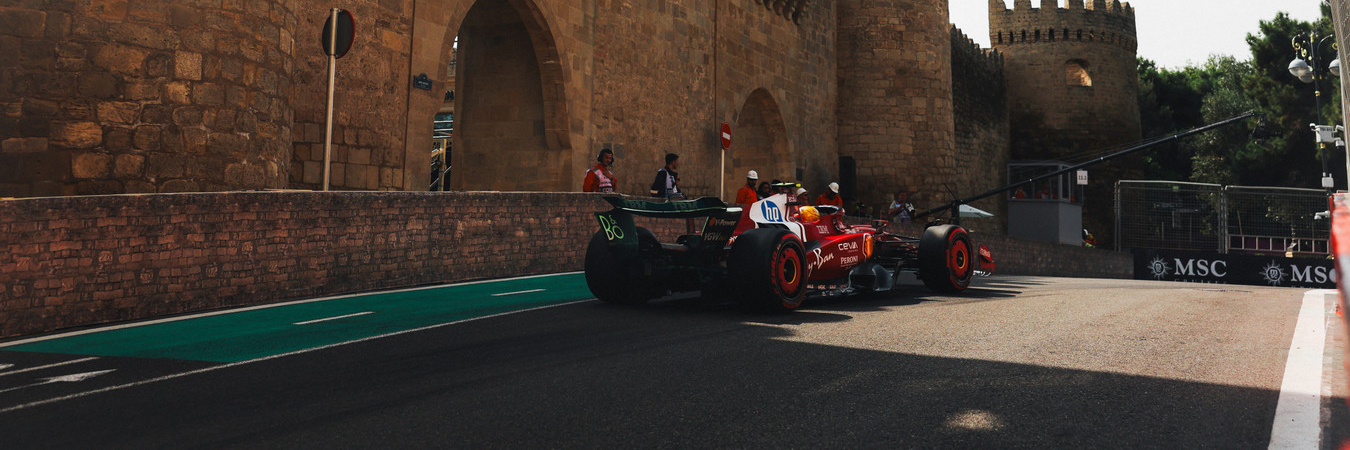
Meanwhile, on the pitwall, Ferrari’s old Achilles heel has reappeared. Strategy indecision, misjudged weather calls, team order hesitations and tyre choices that don’t align with evolving track conditions have cost them valuable points. Small mistakes have often snowballed into lost podiums, including Leclerc’s drop-off in pace in Hungary where he slipped backwards to fourth after starting the day from pole.
However, despite all this, Ferrari has proven to be clinical in the pits itself by consistently being among the fastest throughout the season.
Where does Ferrari go from here?
With only five rounds remaining, Ferrari’s focus has already turned to recovery and preparation for the next era of Formula 1 in 2026. Both drivers have stressed that there was potential for them to be further ahead, but they now need to finish the year strongly. Hamilton has emphasised that better qualifying performances could open the door to better race results.
Ultimately, the target for the closing stages of this season is to rebuild momentum and set a strong foundation to take into next year and the new regulations.
The 2026 reset
The looming 2026 regulation overhaul, among the most significant in F1 history, presents Ferrari with a vital opportunity to hit the reset button. The team has already had their drivers in the simulator to test the 2026 car with Leclerc suggesting to the media at the United States Grand Prix it was a positive difference.
There will be stiff competition, with every team eyeing the same fresh start. But for Ferrari, this reset could be exactly what they need: a chance to learn from the setbacks of 2025, refine their operational execution, and return to the front of the grid.
With some of their key rivals – McLaren and Red Bull – pushing hard for titles in 2025, now is a prime opportunity for F1’s most historic team to steal a march on their opponents.