Karting explained: Getting on track in 2026
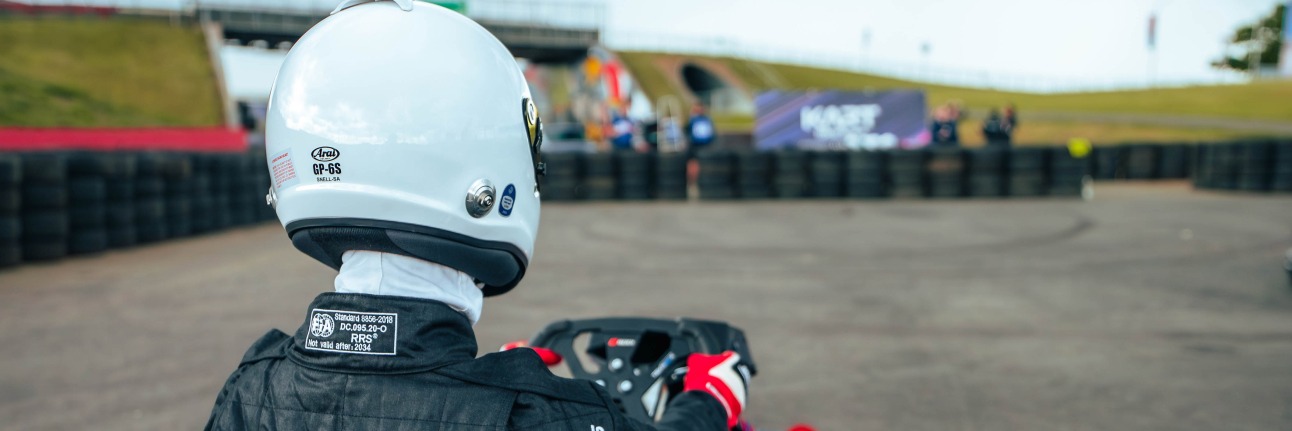
10 April 2026Just before you press the throttle for the first time, when you put your helmet on, and the visor goes down, everything goes quiet. Then, the revs rise, and suddenly, you’re living motorsport instead of watching it.
A sport on the up
Motorsport has always had its dedicated, fans who seek out anything with an engine. But Formula 1’s recent popularity has seen it spill out, far beyond the paddock, pulling in a new wave of followers who want to do more than just watch wheel-to-wheel racing on a screen.
Karting is the motorsport’s most accessible entry point, where new fans can easily indulge in that curiosity.
Almost every driver you’ve seen on a Grand Prix grid, from Lewis Hamilton to Kimi Antonelli, all cut their teeth in karts.
But now, karting is stepping into its own spotlight. Predominantly, that is down to the fact that you don’t need a racing licence to give it a go, or to have spent your entire childhood in the paddock.
All you need to do is take the plunge.
The purest kind of driving
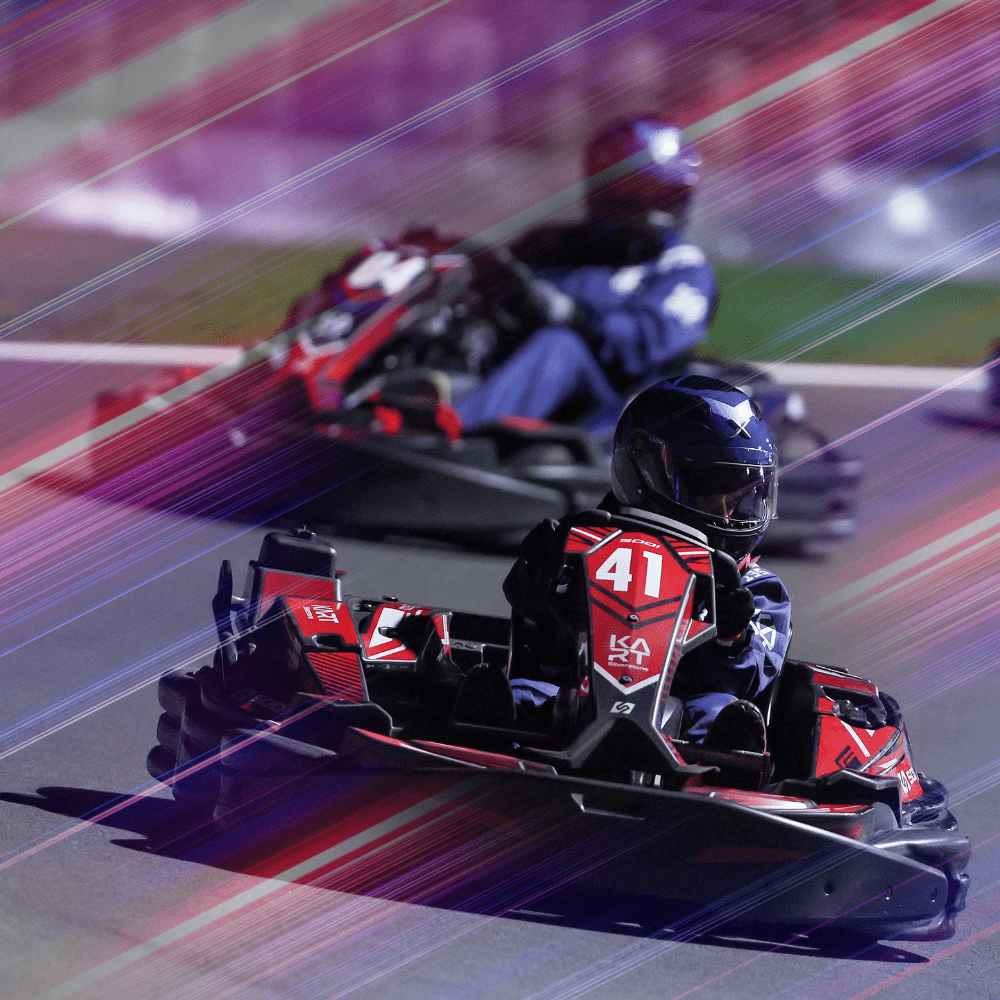
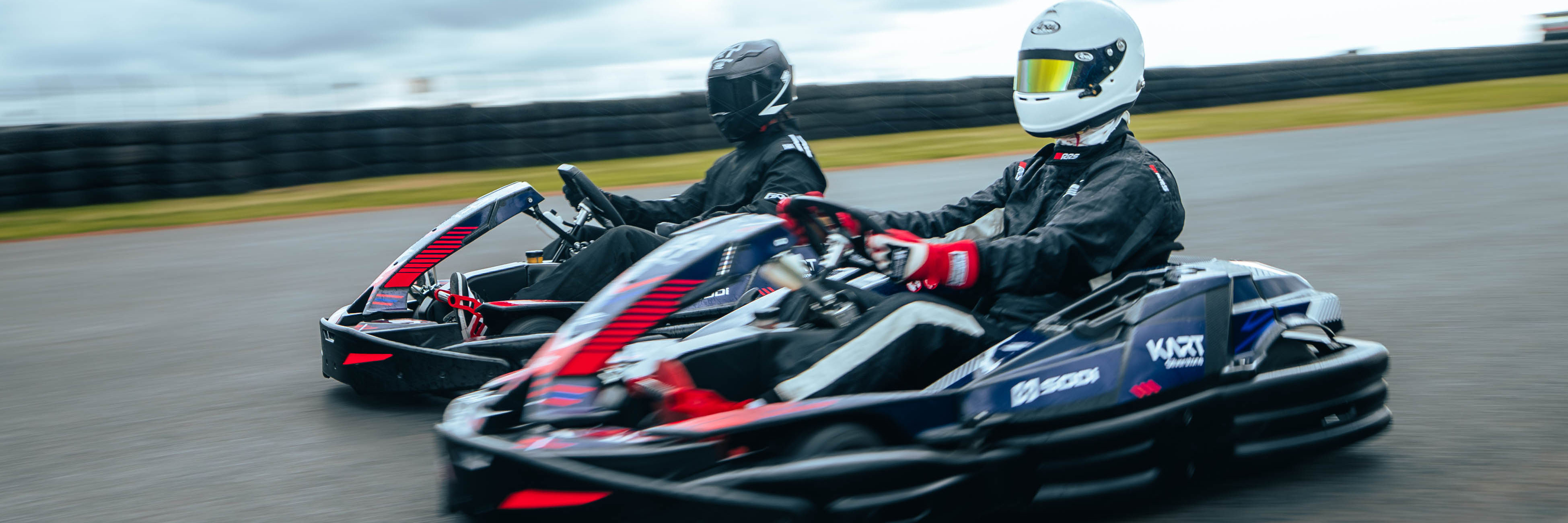
There’s no handholding in a kart. It strips everything back to its most basic elements. There’s no power steering, no traction control, no driver aids of any kind. It’s just you, the machine, and the circuit stretching out in front of you.
One of the first things you might notice is how instinctive it is, the immediacy of it all. There’s no delay between your thoughts and the kart moving underneath you. Turn the wheel and it responds instantly. Hit the brakes and you feel it right the way through your body.
READ MORE: A beginner's guide to how karts work
There’s no suspension, which means every bump and every kerb on the track travels straight through the seat. It sounds intense, and it is, but that’s exactly the point. It’s visceral and completely immersive.
Your sense of speed is also amplified when you’re sitting inches from the ground. Your body is buffeted by the wind and corners arrive quicker than you anticipate. But that’s all part of the experience, and with each lap you complete, you get faster.
More accessible than you think
There’s a misconception that motorsport is locked behind sky-high costs and gate-kept for those who have experience or connections in the industry. Arrive-and-drive kart circuits dispel those myths. Now, more than ever, it’s remarkably easy to get involved in motorsport.
At venues like Silverstone’s new state-of-the-art karting circuit, all you have to do is book your spot, listen to a driver’s briefing, get suited and booted and then away you go.
There’s no need to own your own kart and you don’t need any previous mechanical knowledge or experience. Most importantly, you won’t be expected to set lap records in your first outing.
Not just for future champions
It’s no secret that karting is a vital entry point for young racers looking to build a career in motorsport.
For those who catch the bug, local club championships lead to national series. From there, European and international competition beckons, before the leap into single-seaters.
But karting is also for groups of friends looking for something different to do on a weekend. Or it’s for families, for colleagues. It’s for anyone who wants to feel the rush of racing in its simplest, most stripped-back form.
It’s not just for kids, either. While some drivers now start as young as six in the Bambino category, plenty of people discover karting much later in their twenties, thirties and beyond.
Why not try it?
Fans are starting to realise motorsport isn’t something you can only admire from afar. It’s something you can step into, even if only for one session.
The combination of thrills and accessibility is rare, and it’s why more people than ever are giving it a go.
And for those looking for that stripped-back, raw driving experience, a place like Silverstone, steeped in motorsport history, only adds to the magic.