
Silverstone's Ultimate Guide to the FIA Formula 2 Championship
14 October 2025The FIA Formula 2 Championship, also known as F2, is the penultimate step on the junior motorsport ladder before Formula 1. Once drivers progress through the FIA Formula 3 Championship and make it into F2, the second tier of the FIA’s single-seater pyramid, they are one step closer to reaching their dream. Ultimately, it is the final step on the FIA Global Pathway from Karting to Formula 1.
The F2 Championship was introduced in 2017 after the rebranding of the long-term F1 feeder series, known as GP2. Since its inaugural year under the all-new F2 name, the series has crowned several champions who have progressed to some of the top teams in Formula 1, like Charles Leclerc, George Russell and Oscar Piastri.
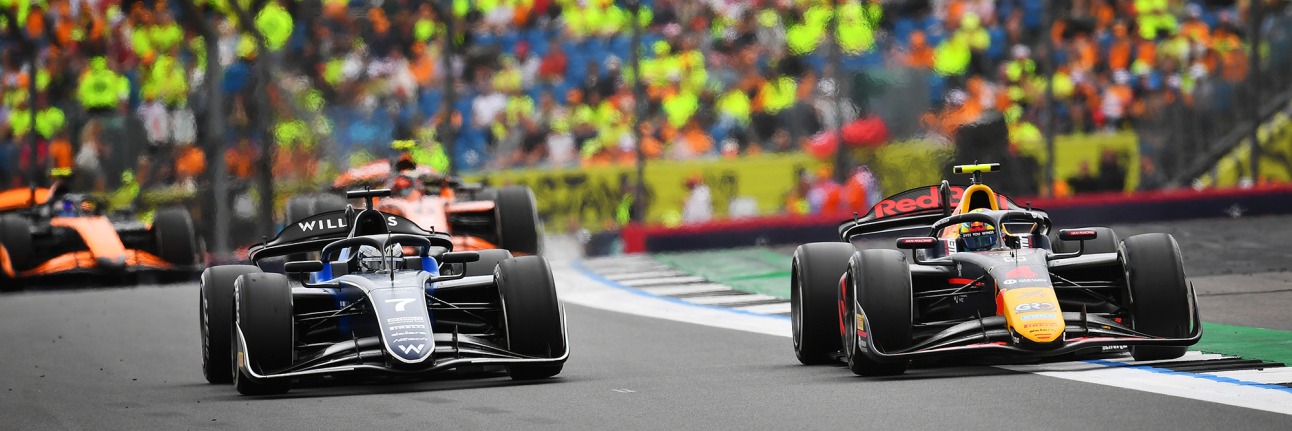
F2 will be returning to Silverstone in 2026. To prepare you for next year’s instalment at the British Grand Prix, we created this ultimate guide to the FIA Formula 2 Championship to make sure you’re in pole position for all the racing action.
What are the routes into FIA Formula 2?
Although the world of motorsport has seen some drivers start out a little older than usual, racing drivers often start their racing career at a young age in go karts. From karting, drivers are likely to progress to either closed wheel or open wheel racing categories, which often include British-based championships like Ginetta Juniors and the GB3 and GB4 championships.
Drivers will then spend at least one season in the FIA Formula 3 Championship before graduating to Formula 2.
Who are the teams in FIA Formula 2?
11 of the best and most well-known racing teams in junior motorsport race compete in the FIA Formula 2 Championship.
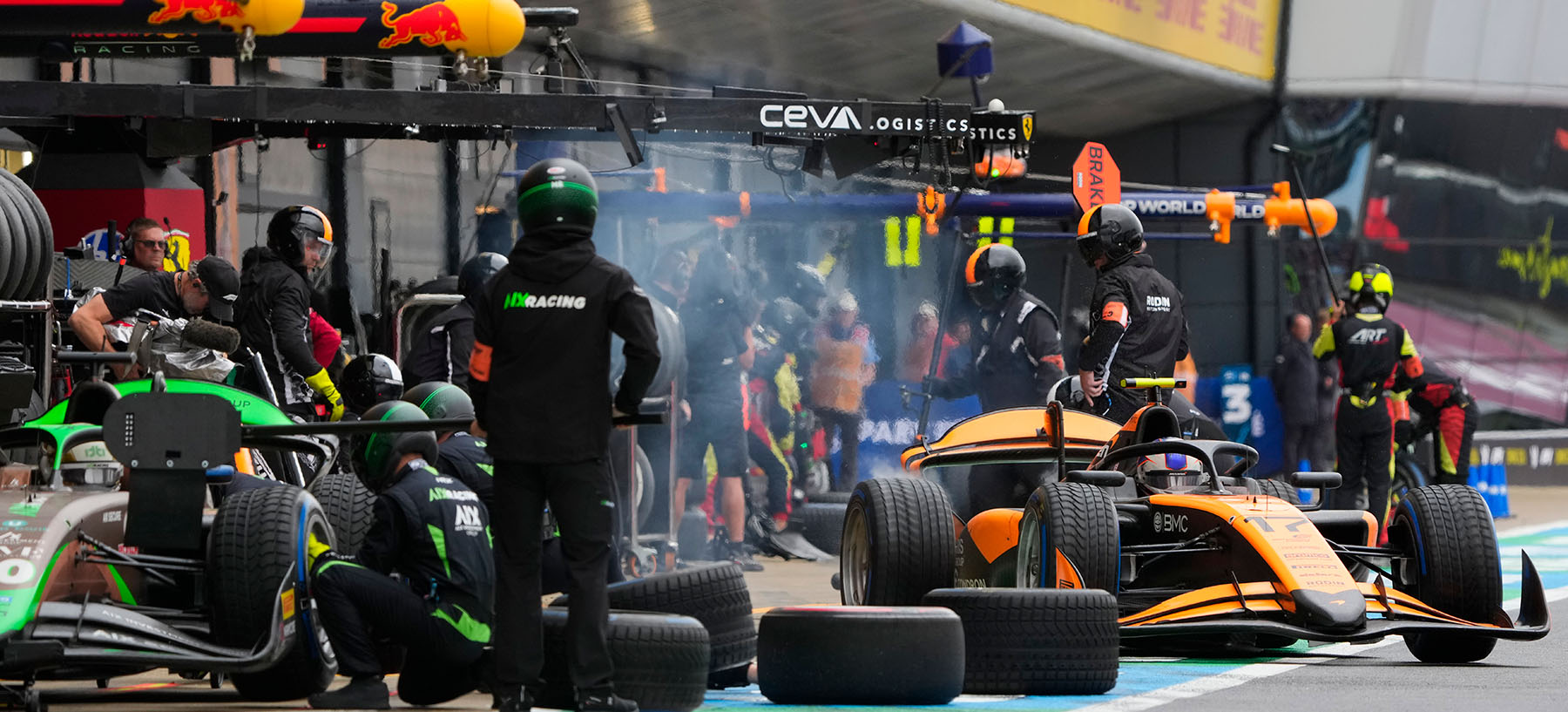
These teams include Invicta Racing, Campos Racing, MP Motorsport, Hitech TGR, PREMA Racing, DAMS Lucas Oil, ART Grand Prix, Rodin Motorsport, AIX Racing, Trident and Van Amersfoort Racing. Each team consists of two drivers, meaning each race sees 22 drivers race from lights to flag.
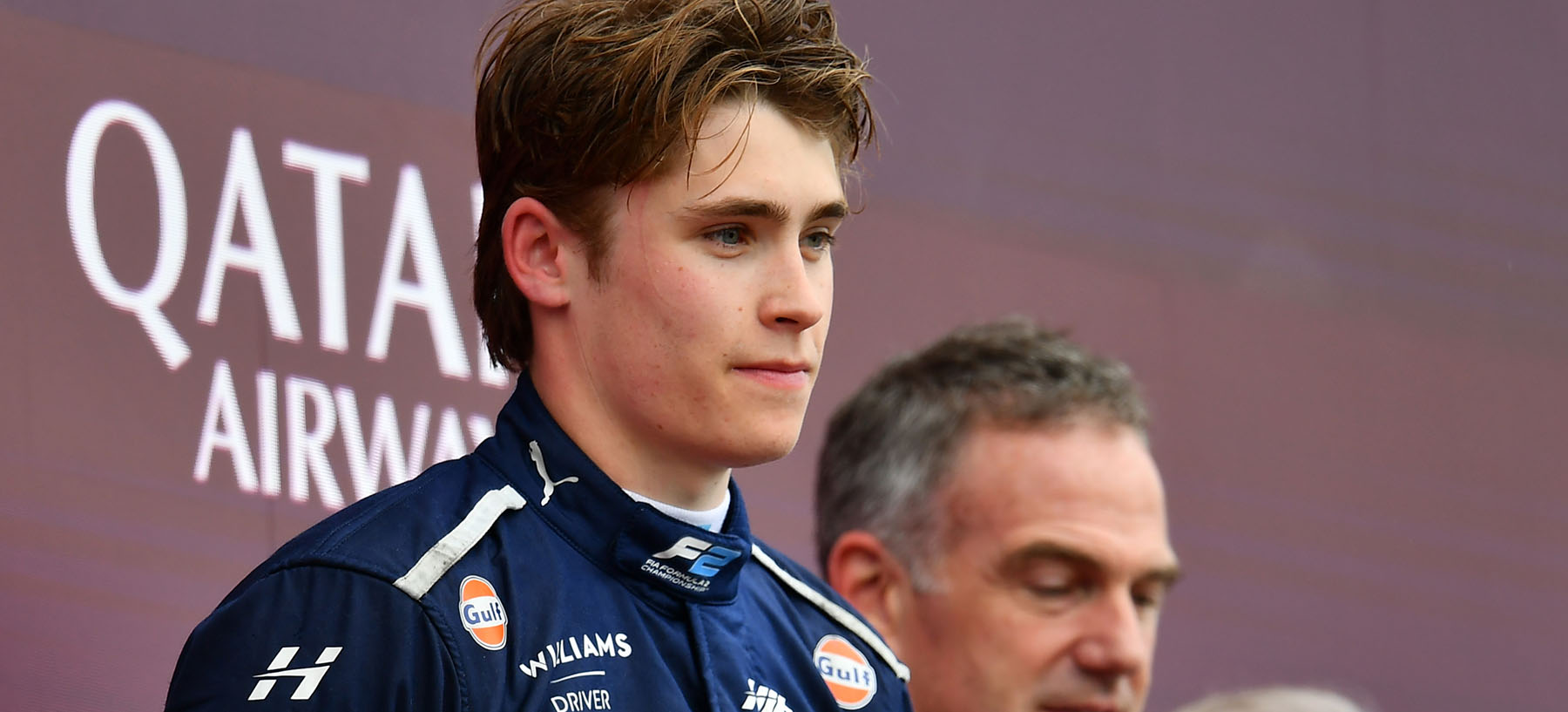
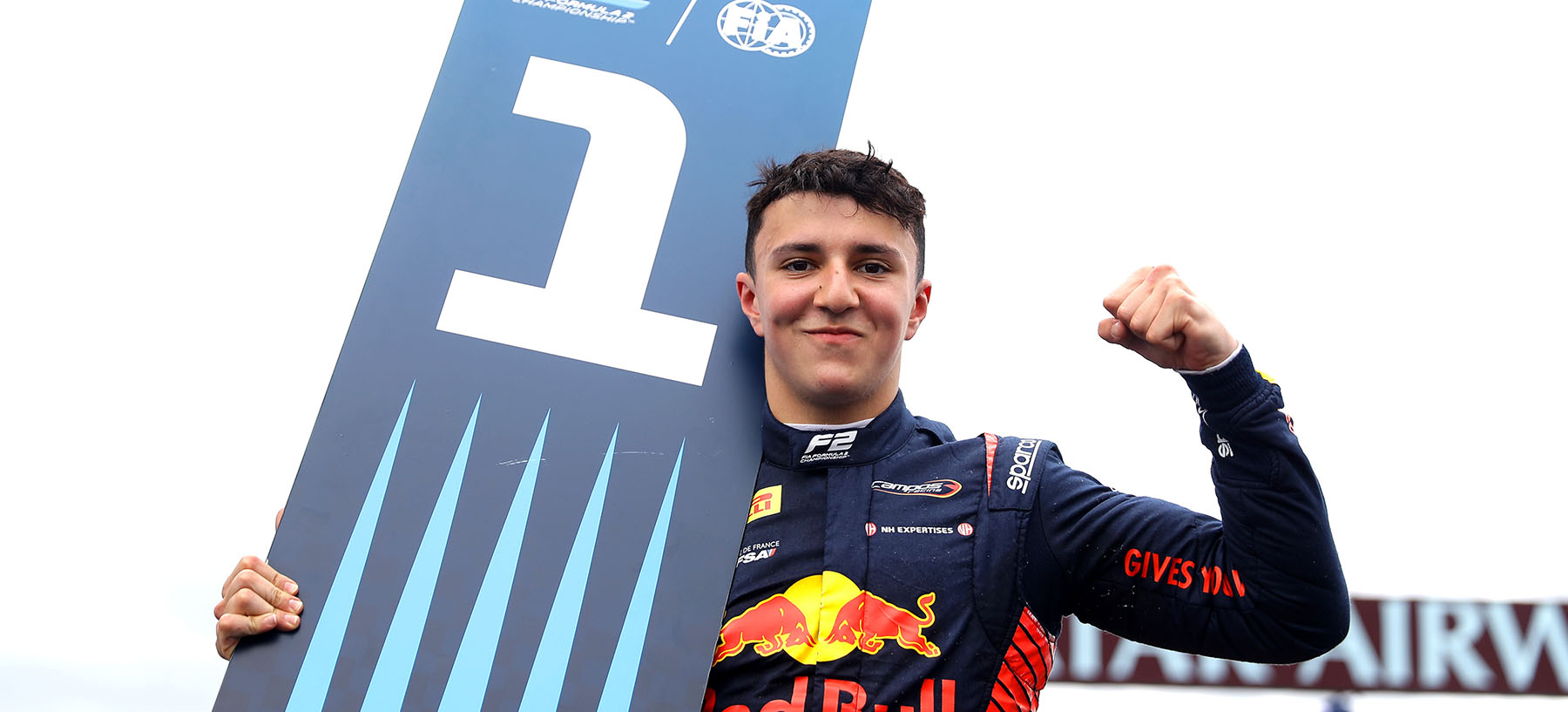
Several F2 drivers have support from F1 teams, which includes financial backing and mentorship as part of their driver academies, like British drivers Arvid Lindblad, who races for Campos and is part of the Red Bull Junior Team, and Luke Browning, who is part of the Hitech TGR team with support from Williams Racing.
Other British drivers on the 2025 Formula 2 grid include Cian Shields and John Bennett, who race for AIX Racing and Van Amersfoort Racing respectively.
Like in Formula 3, drivers are selected for F2 because of their talent, but also because of their financial backing, whether that comes from support from F1 teams, partners and sponsors or their family. Drivers are not paid to compete in Formula 2.
The FIA Formula 2 season structure
Like the past few years, there are 14 rounds of FIA Formula 2 in 2025, as well as multiple rounds of testing throughout the season.
Across these 14 rounds, two races are held per event, meaning F2 drivers take their position on the grid for 28 races – 14 Sprint Races and 14 Feature Races.
This year’s championship started in Melbourne, at the Australian Grand Prix, and will end at the Abu Dhabi Grand Prix. On their road to F1, Formula 2 drivers visit historic tracks, like Monaco, Silverstone, Spa and Monza, and newer additions to the racing calendar, including Jeddah, Baku and Lusail.
For 2026, the number of rounds remains the same, with drivers contesting a grand total of 28 races in 13 countries, including at the all-new Madrid street circuit venue (subject to FIA circuit homologation). Next year’s season also begins in Australia and ends in Abu Dhabi, with the majority of the same circuits preparing to host the feeder series as 2025.
FIA Formula 2 race weekend structure
The race weekend structure for the F2 Championship is similar to Formula 3, following on from what these young drivers are used to whilst encouraging closer racing to expose them to a more competitive style of racing.
As a support event for the FIA Formula 1 World Championship, each F2 round is held on a Grand Prix race weekend, with drivers hitting the track on Fridays, Saturdays and Sundays.
On a Friday, drivers complete the one and only Free Practice session which lasts 45 minutes, followed by a Qualifying session of 30 minutes. The final classification of this Qualifying session will determine the starting grid for Sunday’s Feature Race, whilst the starting grid of Saturday’s Sprint will be decided by reversing the top 10 finishers of the session; essentially, the driver who qualified first will start tenth for the Sprint, whilst the driver who qualified in P10 will be on Pole on Saturday.
The Sprint Race, held on Saturday, consists of racing 120 kilometres or 45 minutes, whichever comes first. Likewise, ahead of the Formula 1 Grand Prix on the Sunday, F2 drivers will complete 170 kilometres or 60 minutes of racing.
Points are awarded on each day of a Formula 2 race weekend. Two points will be given to the driver who is shown in pole position for Sunday’s Feature Race on the final classification of the grid. For the Sprint Race, the top eight drivers will be awarded points based on their finishing order, with the driver in first receiving 10 points, then each driver thereafter receiving 8, 6, 5, 4, 3, 2 and 1 points respectively. In Sunday’s Feature Race, the top 10 finishers score the same points as drivers in F1: 25, 18, 15, 12, 10, 8, 6, 4, 2 and 1 points respectively.
In each race, one point is awarded to the driver with the fastest lap time, as long as they are in one of the top 10 positions of the final race classification.
The FIA Formula 2 car
2024 marked the start of a new era for Formula 2, as the latest Dallara F2 car was introduced to be a closer match to Formula 1 cars in terms of both the FIA Safety Regulations and advanced technologies. The Championship runs using synthetic sustainable fuel in partnership with Aramco, to meet the FIA’s 100% sustainable fuel standard.
The chassis of the Formula 2 car is designed by Italian manufacturer Dallara Automobili, and the engine is a V6 – 3.4 litre single turbo charged Mecachrome, which is rated to 620 HP @ 8750 rpm and has a fly by wire accelerator system.
Designed to meet the full FIA 2024 safety standards, the F2 car is equipped with a titanium halo to the F1 specification and a survival cell made by Dallara. The fuel cell of an F2 car is also made to meet FIA standards and is a premier FT5 125 litres, whilst the gearbox is a 6-speed longitudinal Hewland sequential with Marelli Electro-hydraulic command via paddle shift from steering wheel.
The car has several electronic features, including a Marelli data logging system and power supply management unit and a F1 type VSC & Marshalling system, suspension with adjustable ride height and 6 pistons monobloc Brembo callipers for brakes.
DRS, or the Drag Reduction System, is used to the same functionality of DRS used in Formula 1 with hydraulic activation. The steering system is designed to the FIA 2023 specification and has an XAP steering wheel with dashboard, gear change, clutch, DRS paddles, marshalling and VSC display.
Like in F3, Formula 2 is a spec series with identical cars, meaning team performance is determined by setup, execution and strategy as opposed to the mechanical advantage F1 teams have against others. Team involvement in F2 is heavily focused on strategy, pit stops and data analysis.
Unlike in Formula 3, where pit stops are only necessary in either race should a car be damaged, the Feature Race in F2 includes a compulsory pitstop in which all four types must be changed. The rules state that unless the driver has used wet-weather tyres during the Feature Race, as a result of wet on-track conditions, they must use at least one set of each specification of dry-weather tyres throughout this race.
The route to becoming Formula 2 Champion
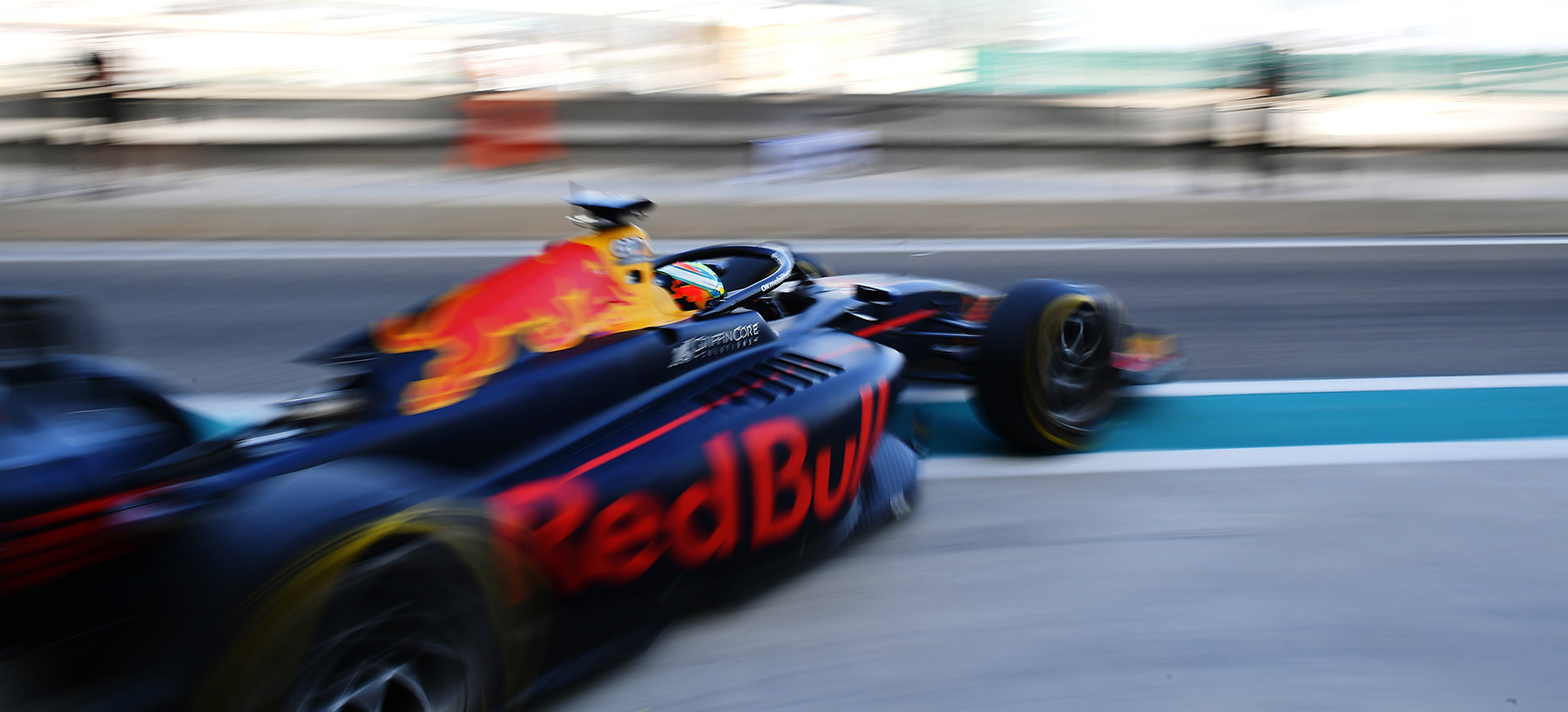
The Formula 2 championship is awarded to the driver with the most points at the end of a season, which are accumulated from their Sprint Race and Feature Race results, as well as any points acquired through qualifying first or putting in the fastest lap and finishing in the top 10 positions.
Another prestigious accolade which is awarded to the highest-placed driver in their first Formula 2 season is the Anthoine Hubert Award, which was established at the 2019 prize-giving ceremony in honour of Anthoine Hubert, who lost his life during the F2 Feature Race at Spa-Francorchamps that year. This award serves as F2’s equivalent to a “Rookie of the Year” award. Drivers who have been awarded this title include Zhou Guanyu, Yuki Tsunoda, Oscar Piastri, Ayuma Iwasa, Victor Martins and Gabriel Bortoleto.
Previous Formula 2 Champions: Where are they now?
Winning a Formula 2 Championship does not guarantee drivers a seat in F1. In some cases, F2 champions have progressed immediately to F1, whilst others have taken on other roles in Formula 1 teams before securing a full-time seat in the pinnacle of motorsport.
For example, when Oscar Piastri became F2 champion in 2021 with PREMA, he only signed his first full-time contract as an F1 driver in 2023 with McLaren, after spending time at Alpine as their reserve driver. Nyck de Vries won the title in 2019 and competed in endurance racing and even became the FIA Formula E World Champion before he made his F1 debut in 2022.
The only drivers who won the championship and progressed to Formula 1 full-time immediately after are Charles Leclerc (2018), George Russell (2018), Mick Schumacher (2020) and Gabriel Bortoleto (2024).
Other champions have won the title and gone on to race elsewhere, and are yet to race in F1 as a full-time driver.
Felipe Drugovich won the 2022 F2 Championship and became Aston Martin’s reserve driver in F1, making his F1 debut testing the AMR21 at Silverstone, before it was announced more recently that he would become a full-time Formula E driver with Andretti alongside Jake Dennis for the 2025-26 season, after successful testing and reserve duties in the championship.
Théo Pourchaire, who won the 2023 F2 Championship after ranking fifth in his rookie year and runner-up in his second year, has since raced in IndyCar with Arrow McLaren and currently, competes in the European Le Mans Series with Algarve Pro Racing. However, Pourchaire has also spent time in F1 as a reserve driver, completing his first F1 test in August 2021 with Alfa Romeo Racing, now Kick Sauber.
Although maybe not immediately after securing their title, six out of the current eight Formula 2 champions are either current or previous F1 drivers. It’s also not a necessity to win the F2 title to graduate to Formula 1; after the 2024 season alone, a record graduating class of four drivers stepped up to F1 from F2 – Champion Gabriel Bortoleto, Oliver Bearman, Andrea Kimi Antonelli and Isack Hadjar, who race for Sauber, Haas, Mercedes and Racing Bulls respectively.
The FIA Formula 2 Championship was created with the goal of being the most competitive single-make racing championship in the world, designed to support young talent on the road to F1, once drivers step up to the second-tier on the FIA racing pyramid after F3.
There are often multiple British drivers competing in Formula 2 each year, and with Silverstone on the calendar for 2026, you do not want to miss the buzz and excitement of the FIA Formula 2 Championship at the British Grand Prix at Silverstone. Get your tickets now.