

Aston Martin F1 in 2026: Can they turn things around after a difficult start?
17 March 2026There’s a peculiar tension surrounding the Aston Martin F1 Team after the opening two rounds of the season.
On paper, 2026 was supposed to be the year everything aligned for the Silverstone-based team. A new era of regulations. A works engine deal with Honda. And, looming over it all, the arrival of Adrian Newey and one of the most celebrated technical minds in the history of the sport.
Instead, the first two races of the campaign have felt more like a nightmare. Aston Martin finds itself in a tricky position for an outfit with such ambition.
After Australia and China, the question of whether there’s true potential in the AMR26 casts a shadow over the team.
Gaps in the programme
While the rest of the field has been chipping away at lap time since the first pre-season test, Aston Martin has only been able to gather fragments in short runs, interrupted sessions and race weekends that resemble shakedowns or test days.
The consequences are far-reaching. The team is still trying to understand the baseline of its package while others are already chasing the marginal gains synonymous with the pinnacle of motorsport.
In a regulation reset year, the gap to the teams that are already on top of the basics then starts to compound.
The underlying issue
At the heart of Aston Martin’s struggles is their new partnership with Honda, and more specifically, a power unit issue that has dictated how they run the car.
Severe vibrations originating from the engine have rippled out across the chassis, creating a chain reaction:
- Battery degradation and failures
- Components physically shaking loose
- Increasingly uncomfortable conditions for the drivers
It has already affected the duration of driver stints, turning the ability to run a full race distance into the main goal, rather than finding pace.
The problems and potential down under
Even with minimal preparation, Fernando Alonso surged from the back of the grid into the points on the opening lap. It was textbook instinctive racecraft from the Spaniard, but quickly evaporated as the car settled into its natural pace.
From there, the race became fragmented, with multiple trips to the pitlane hampering any kind of meaningful result. For Aston Martin, though, simply completing race procedures, pit stops, formation laps, longer runs and all the things they took for granted last year carried value.
But qualifying hinted at something more. Without significant setup changes, lap time improved dramatically across sessions. The gap to the front shrank not through upgrades, but through running the car and learning its intricacies.
It suggested there’s performance in the car. It’s just difficult to access consistently.
Small steps in Shanghai, familiar frustrations
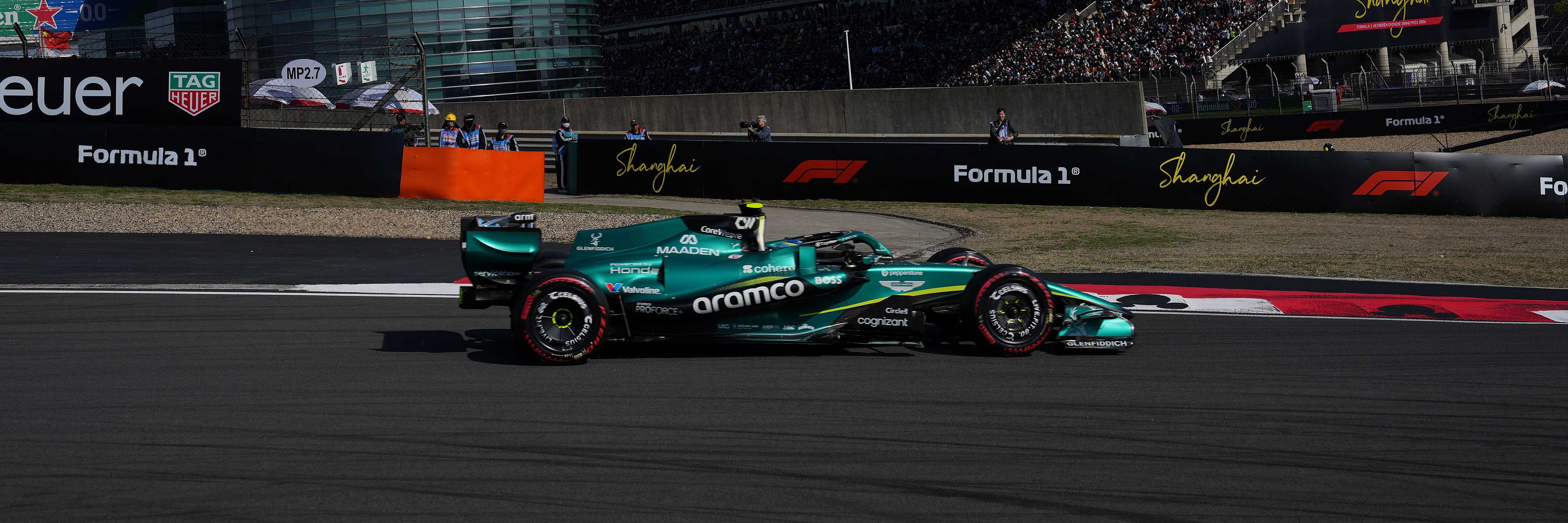
There were more laps for the team in China with a slightly more stable platform, but the core problems remained.
Both cars saw the chequered flag in the Sprint, but neither made it to the end of the Grand Prix. Reliability is still not at the level required to go the distance and Aston Martin are still unable to extract meaningful data across a full race weekend.
Beneath the surface
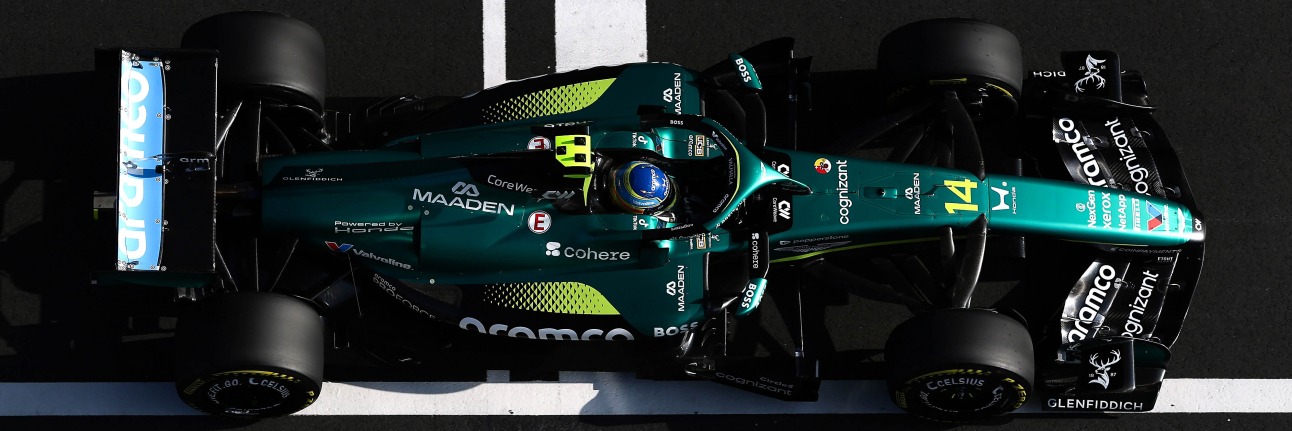
While the power unit dominates the narrative, the AMR26 itself tells a more optimistic story. This is where Adrian Newey’s influence gives a glimmer of hope.
In Melbourne, Aston Martin introduced a series of aerodynamic changes that reveal the philosophy behind the car:
- A front wing featuring a distinctive crease across its elements
- More detailed endplates designed to generate stronger outwash airflow
- Reworked floor edges and additional vanes to manage how air moves around the car
Through this car architecture, direct downforce may be sacrificed in exchange for a more efficient overall aerodynamic platform.
What it all means for Alonso and Stroll
For both Fernando Alonso and Lance Stroll, their roles are more about supporting with technical problem-solving than they are competitive. While at the same time, still trying to extract feedback from limited running and helping steer development.
Can Aston Martin turn things around?
Whether Aston can turn the tide and create anything meaningful out of its 2026 campaign remains to be seen. The answer depends on one factor above all others: resolving the power unit issue at its source.
If they are able to resolve the vibrations, the chassis and aerodynamic platforms show potential. On the other hand, a power unit fix isn’t the work of a moment, and all the while, other teams are scampering off up the road.