


F1 tyres explained: An F101 beginner’s guide
30 October 2025Tyres are an F1 car’s contact point with the racetrack, and as a result, they are one of the most important factors in performance. From the peak performance grip of Qualifying to managing degradation in race-long strategies, tyres shape the outcome of every Grand Prix.
Our F101 beginner’s guide explains everything you need to know about F1 tyres: who supplies them, the compounds in play, and how drivers and teams manage their allocations across a race weekend.
Who is F1’s current tyre supplier?
Since 2011, Italian tyre manufacturer Pirelli has been Formula 1’s exclusive supplier, returning to the sport after several shared tenures in the past.
Who supplied F1 tyres in the past?
In previous eras of F1, multiple tyre brands have supplied teams at the same time, leading to what became known as a ‘tyre war’.
Before Pirelli, it was Bridgestone, who became locked in a fierce battle with Michelin in the early 2000s.
Before that, Goodyear had the longest run as an F1 tyre supplier from the early ‘60s through to the late ‘90s, while other brands like Avon, Firestone, Dunlop, Continental and Pirelli came and went.
At the championship’s inception in 1950, Pirelli, Dunlop, Firestone and Englebert all supplied tyres to teams.
Today, though, Pirelli is the sole supplier, with a contract in place until the end of 2027.
What tyres are used on an F1 car?
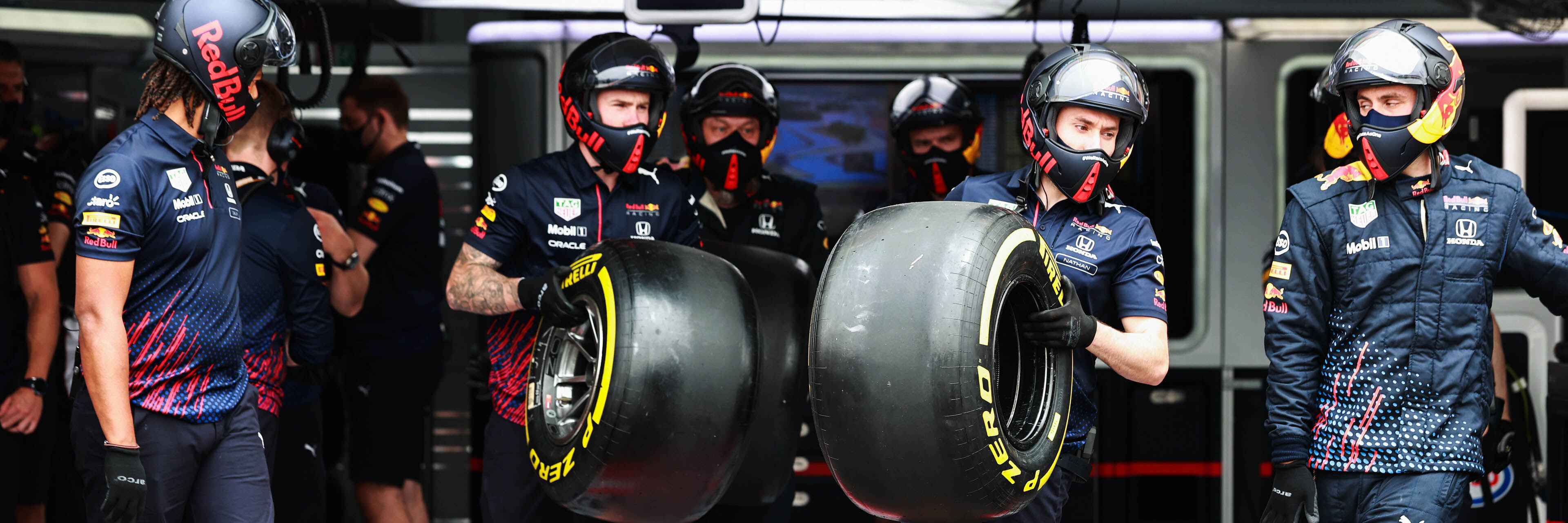
A major shift came in 2022, when F1 moved to 18-inch tyres as part of sweeping changes to the technical regulations. These tyres were designed entirely from scratch by Pirelli with thousands of hours of development invested into them.
The result was a versatile tyre range built for performance and durability, while also aligning with Formula 1’s Net Zero Carbon 2030 target.
The move to 18-inch tyres brought F1 technology closer to what everyday motorists use, allowing faster transfer of innovation from track to road.
What tyre compounds are used in Formula 1?
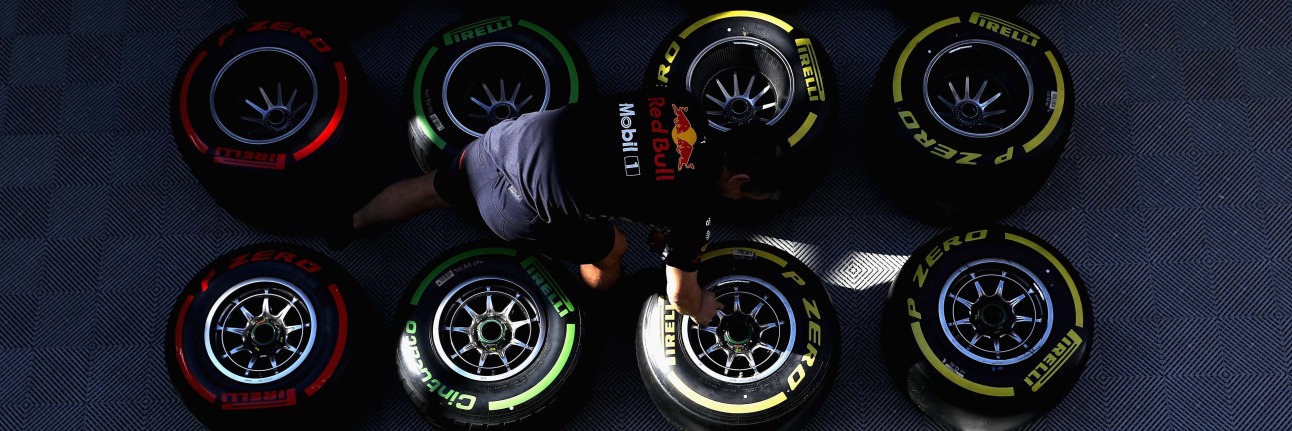
For 2025, Pirelli supplies six slick compounds – the hardest C1 through to the softest C6 – plus two types of wet-weather tyres (intermediates and full wets).
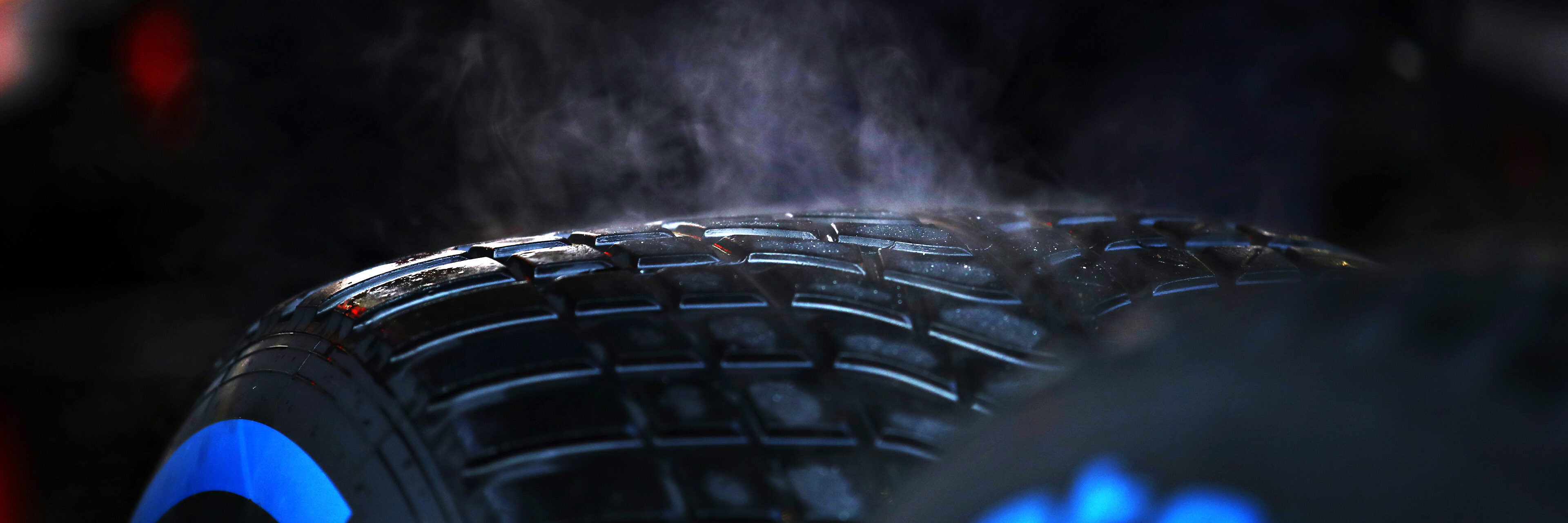
At each race, Pirelli select three compounds from the range based on the circuit’s grip characteristics, with harder compounds chosen for circuits that put greater demands on the tyres and cause increased wear. These are then colour-coded for clarity:
- Red = Soft (highest grip, shortest lifespan)
- Yellow = Medium (balance between performance and durability)
- White = Hard (lowest grip, longest lifespan)
- Green = Intermediate (for damp/wet but not fully soaked conditions)
- Blue = Full Wet (for heavy rain)
Soft tyres are typically best for qualifying or short stints, while medium and hard tyres are preferred for longer runs in races.
How many tyres do F1 drivers get each weekend?
The FIA sets a strict allocation for every race weekend:
- 13 sets of dry tyres
- Four sets of intermediates
- Three sets of full wets
Drivers who reach Q3 in qualifying receive an extra set of softs, and all drivers must use at least two different slick compounds during a dry race.
For Sprint weekends, the allocation changes slightly:
- 12 sets of slicks (two hard, four medium, six soft)
- Five sets of intermediates
- Two sets of full wets
Tyre terminology
What are marbles in F1?
Marbles are chunks of discarded rubber that are ripped from the tyres while cornering. Those chunks then accumulate off the racing line.
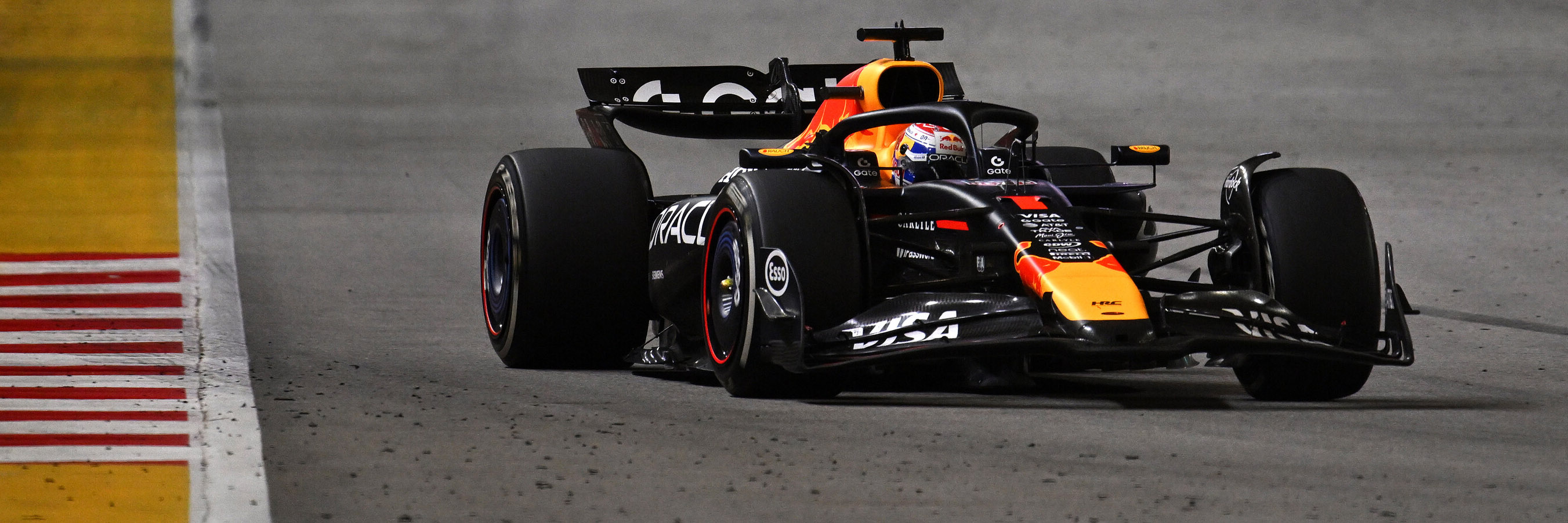
Running through areas covered in marbles makes the tyres dirty and reduces grip, so drivers tend to avoid them during the race. Once the chequered flag has fallen, however, you’ll see drivers seeking them out to ensure their cars are above the minimum weight limit.
What is graining in F1?
Graining happens when a tyre’s surface overheats and the carcass remains cold, causing rubber to tear and form lumps on the surface, reducing overall grip.
What is blistering in F1?
Blistering is the opposite problem to graining. When a tyre’s hot carcass meets a cold surface, pieces of rubber explode out of the tyre, leaving holes on its surface.