
Overtake Mode explained: An F101 beginner’s guide to F1’s new overtaking aid
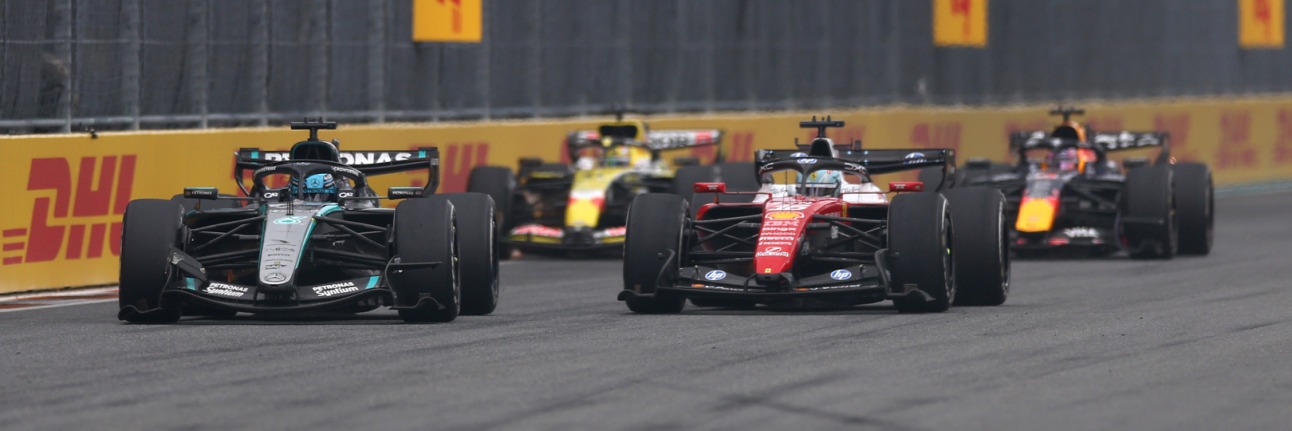
09 June 2026Formula 1 has introduced a brand-new overtaking system for the 2026 season called Overtake Mode and it is designed to encourage closer racing.
The system gives chasing drivers access to additional electrical power when embroiled in an on-track battle.
But how does Overtake Mode work, when can drivers use it, and how is it different from DRS? Our F101 beginner’s guide has everything you need to know.
What is Overtake Mode in F1?
Overtake Mode is a temporary performance boost that is made available to drivers chasing another car.
When activated, it allows a driver to access additional electrical energy and maintain higher speeds for longer periods during the following lap.
The system was introduced as part of Formula 1’s all-new 2026 regulations and will act as the sport’s main overtaking aid.
How does Overtake Mode work?
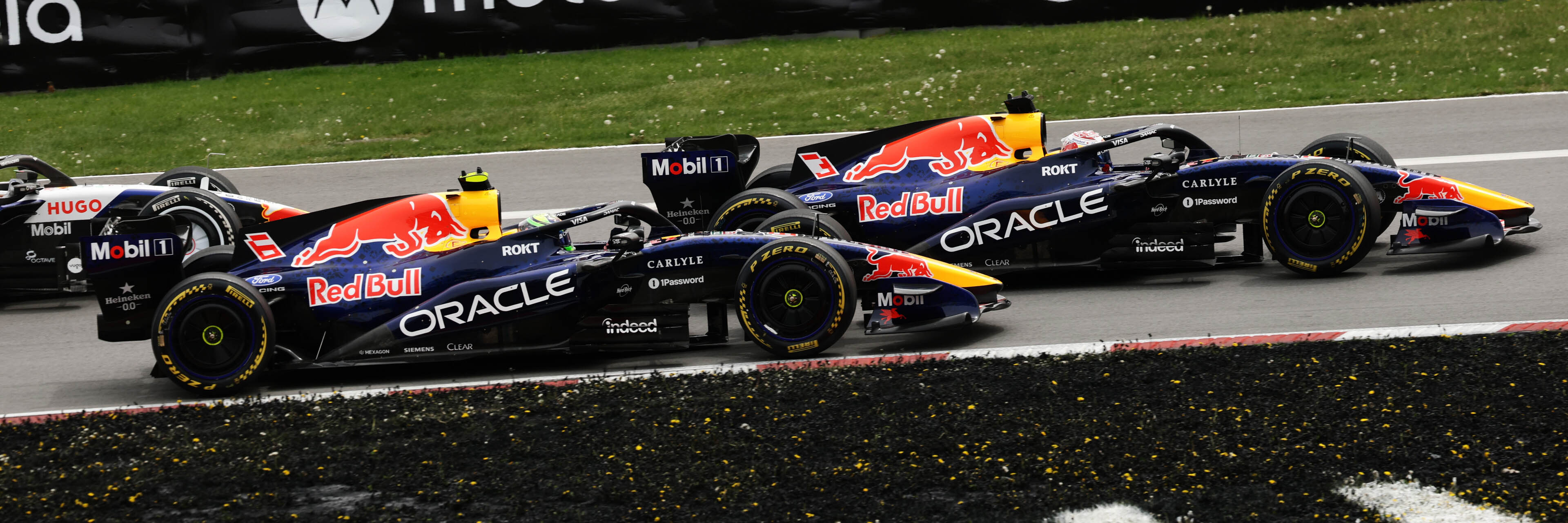
To activate Overtake Mode, a driver must be within one second of the car ahead at a designated detection point on the circuit, similar to how DRS became available last year.
If they are close enough, the system becomes available for the next lap. Drivers then gain access to extra harvested electrical energy and more aggressive power deployment designed to increase overtaking opportunities.
How much extra power does Overtake Mode provide?
The system gives drivers access to an additional 0.5 megajoules of electrical energy.
That may sound like a trivial amount, but in Formula 1 terms, it can create a significant speed differential.
The exact performance benefit will vary from circuit to circuit depending on straight lengths and braking events.
Is Overtake Mode replacing DRS?
In a way, yes. While the active aerodynamics introduced for 2026 serve the same purpose as DRS in terms of reducing drag, Overtake Mode is effectively replacing DRS as Formula 1’s main overtaking assistance.
From 2011 to 2025, DRS helped drivers pass by opening the rear wing to increase top speed. In 2026, active aero allow every driver to run low-drag wing settings on the straights, regardless of position.
Because of that, Formula 1 needed a different way to give chasing cars an advantage when fighting for position. Overtake Mode fills that role by giving following drivers access to additional electrical performance instead.
When will Overtake Mode be most effective?
The system is expected to have the biggest impact at circuits with long straights and heavy braking zones like Monza, Spa and Las Vegas.
The more braking, the more power becomes available. And the longer the straight, the more opportunity a chasing driver has to use the extra power to attempt an overtake.
Will Overtake Mode make racing more unpredictable?
It has already proven to make for eventful and unpredictable racing in 2026.
Because drivers need to manage their battery usage throughout a race, overtaking involves a more tactical strategy than before.
Teams can opt for different deployment depending on track position, battery levels and tyre condition.
That means drivers are attacking in different areas of the circuit rather than relying on the same overtaking zones as before.