

Active aero explained: An F101 beginner’s guide to F1’s aerodynamics in 2026
29 May 2026Formula 1’s 2026 regulations brought one of the biggest sets of technical changes in the sport’s history, and one of the most talked-about elements is active aerodynamics.
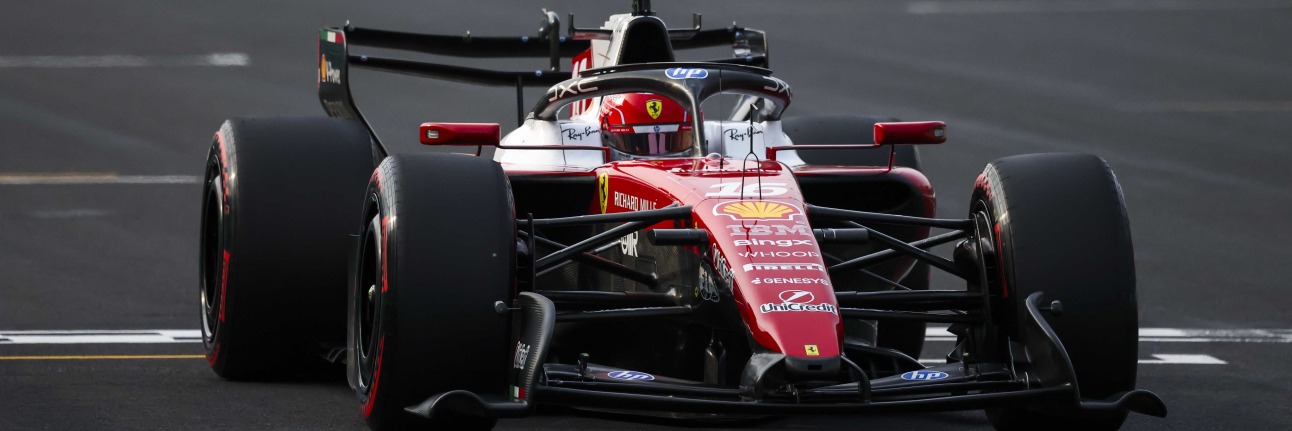
For the first time, both the front and rear wings of an F1 car will automatically change configuration depending on where the car is on the circuit.
But what exactly is active aero, how does it work, and why is Formula 1 introducing it now? Our F101 beginner’s guide has everything you need to know.
READ MORE: F1 Tyres explained
What is active aerodynamics in F1?
Active aerodynamics allows an F1 car’s front and rear wings to move while the car is on track in order to improve performance.
From 2026, Formula 1 cars will switch between two different aerodynamic configurations depending on whether they are travelling down a straight or through a corner.
In the corners, the wings stay in their normal high-downforce position to maximise grip and stability.
On the straights, both wings flatten into a low-drag configuration – just like the rear wing did in the DRS era – helping the cars cut through the air more efficiently and reach higher top speeds.
The system affects both the front and rear wings simultaneously, creating what Formula 1 calls ‘Corner Mode’ and ‘Straight Mode’.
What is Straight Mode?
When activated, the front and rear wings flatten out, reducing the amount of air resistance acting on the car. Less drag means greater straight-line speed and improved efficiency.
Drivers will activate Straight Mode manually in designated sections of the circuit known as Activation Zones.
Unlike DRS in previous seasons, drivers do not need to be within one second of another car to use it.
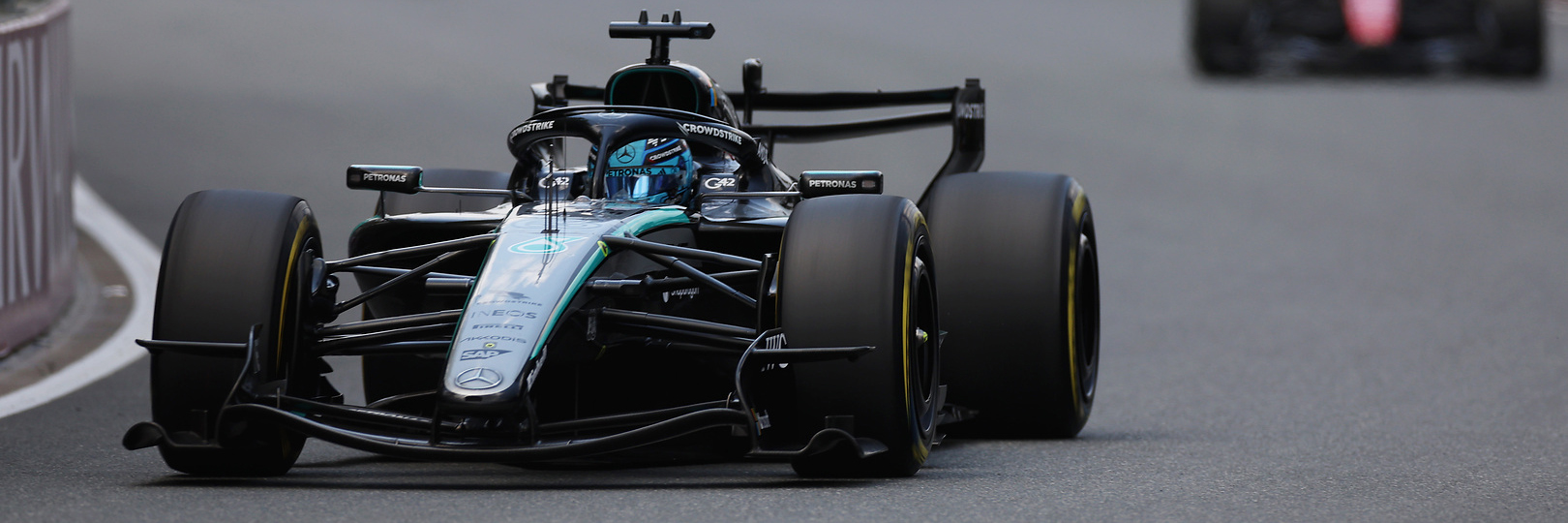
What is Corner Mode?
In Corner Mode, the front and rear wings return to their standard positions to generate maximum grip and stability during braking and cornering.
The system automatically switches back to Corner Mode whenever a driver brakes or lifts off the throttle.
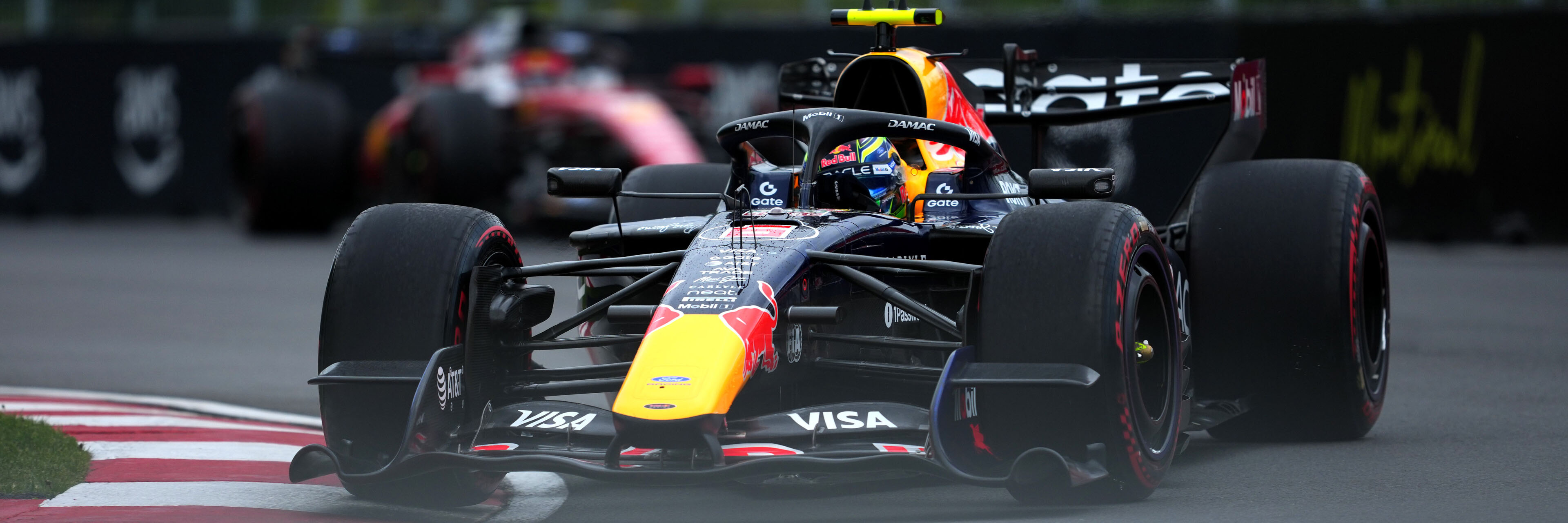
Is active aero replacing DRS?
Yes. The Drag Reduction System (DRS), which was used in Formula 1 from 2011 to 2025, has been replaced by the new active aero system in 2026.
DRS only operated on the rear wing and could only be used when a driver was within one second of the car ahead at specific detection points.
The new system is much broader in scope. Both the front and rear wings can change position, and the low-drag mode can be used by any driver in designated zones around the lap.
Why is F1 introducing active aerodynamics?
Formula 1’s new 2026 power units rely much more heavily on electrical energy than previous generations. Reducing drag on the straights helps the cars use less energy and recover electrical power more effectively throughout a lap.
Without active aero, the cars would struggle to achieve competitive straight-line speeds while carrying the larger electrical demands of the new engines.
How do drivers activate active aero?
Drivers will activate Straight Mode manually using controls on the steering wheel, much like DRS in previous seasons.
The FIA will define specific Activation Zones for each circuit, with signage marking where drivers are allowed to activate the system.
There are expected to be more Activation Zones per lap than there were DRS zones in previous years.
What is partial active aero?
Formula 1 has also introduced a secondary version of the system known as partial active aero. This is expected to be used mainly in wet weather conditions.
In partial active aero mode, only the front wing switches into Straight Mode while the rear wing remains in its higher-downforce cornering configuration.
This helps maintain rear stability in slippery conditions while still reducing some drag on the straights.
Will active aero make overtaking easier?
Because all drivers can use the low-drag mode regardless of their position on track, active aero is designed around efficiency rather than assisting overtaking.
However, the increased top speeds and reduced drag could still create new overtaking opportunities, particularly at circuits with long straights.
When will active aerodynamics debut in Formula 1?
Active aerodynamics had made its debut at the opening round of the 2026 Formula 1 season in Melbourne, Australia.
It forms a major part of the sport’s all-new technical regulations, alongside redesigned chassis and a completely revised power unit formula.